Car Battery Maintenance Guide: How to Extend Your Battery Life in 2026

A car battery is one of the most important components of any vehicle. Without a healthy battery, your car cannot start, electrical systems may fail, and unexpected breakdowns can happen at the worst possible time.

Many drivers only think about their battery when the vehicle refuses to start. However, regular battery maintenance can prevent sudden failures and help extend battery life.

Modern vehicles depend on batteries for much more than starting the engine. Advanced systems such as smart displays, safety sensors, electronic controls, and connected features all require reliable electrical power.

In 2026, vehicle technology is becoming more advanced, which makes proper battery care even more important. Electric systems, hybrid vehicles, and smart features require better monitoring and maintenance.

A well-maintained battery provides:

  • Reliable engine starting
  • Better electrical performance
  • Fewer unexpected breakdowns
  • Longer battery lifespan

This complete guide explains how car batteries work, common battery problems, maintenance tips, replacement signs, and practical ways to keep your vehicle battery healthy.


Table of Contents

Table of Contents

1. What Is a Car Battery and How Does It Work?

Understand the role of a car battery and how it powers your vehicle systems.

2. Why Car Battery Maintenance Is Important

Learn why regular battery care helps prevent failures and expensive repairs.

3. Signs of a Weak or Failing Car Battery

Discover common warning signs that indicate your battery needs attention.

4. How to Maintain Your Car Battery Properly

Learn practical steps to keep your battery clean, charged, and reliable.

5. Common Causes of Car Battery Problems

Understand what damages batteries and reduces their lifespan.

6. How Long Does a Car Battery Last?

Explore average battery lifespan and factors that affect durability.

7. When Should You Replace Your Car Battery?

Learn how to identify when your battery needs replacement.

8. Car Battery Maintenance for Extreme Weather

Discover battery care tips for hot and cold conditions.

9. Battery Maintenance Tips for Modern Cars

Understand how advanced vehicle technology affects battery care.

10. Tips to Extend Car Battery Life

Find simple habits that help your battery last longer.

11. Frequently Asked Questions About Car Batteries

Get answers to common battery maintenance questions.


What Is a Car Battery and How Does It Work?

A car battery is a rechargeable electrical component that provides the power needed to start the engine and operate vehicle systems.

When you start your car, the battery sends electrical energy to the starter motor. This allows the engine to begin running.

After the engine starts, the alternator takes over and charges the battery while powering electrical systems.

A vehicle battery supports many important functions, including:

  • Engine starting
  • Interior lights
  • Headlights
  • Infotainment systems
  • Safety sensors
  • Electronic controls

Without a properly functioning battery, even a mechanically healthy vehicle may not operate.

How Battery Power Is Generated

Most traditional car batteries use chemical reactions to create electrical energy.

Inside the battery are:

  • Positive plates
  • Negative plates
  • Electrolyte solution

These components work together to produce electricity.

Modern vehicles may use advanced battery technologies designed for better performance and longer life.


Why Car Battery Maintenance Is Important

Many drivers ignore battery maintenance because the battery is hidden and does not require daily attention.

However, regular care can prevent many problems.

Prevents Unexpected Breakdowns

A dead battery is one of the most common reasons vehicles fail to start.

Regular inspection helps identify problems before complete failure occurs.

Improves Vehicle Reliability

A healthy battery ensures:

  • Faster engine starting
  • Stable electrical power
  • Better system performance

Extends Battery Life

Proper maintenance can help your battery last longer.

Simple actions like cleaning terminals and checking charging performance can make a big difference.

Saves Money

Replacing a battery earlier than necessary increases expenses.

Good maintenance helps maximize your investment.


Signs of a Weak or Failing Car Battery

A failing battery usually gives warning signs before completely stopping.

Recognizing these signs can help you take action early.

Slow Engine Start

If your engine takes longer than usual to start, the battery may be losing power.

A weak battery struggles to provide enough energy to the starter motor.

Dim Headlights

Weak batteries can affect electrical performance.

Signs include:

  • Dim headlights
  • Flickering lights
  • Weak interior lighting

Clicking Sound When Starting

A clicking noise when turning the key or pressing the start button may indicate battery problems.

Dashboard Warning Light

Some vehicles display a battery warning light when there is a charging issue.

This may indicate:

  • Weak battery
  • Alternator problem
  • Electrical issue

Battery Age

An older battery becomes more likely to fail.

If your battery is several years old, regular testing is recommended.

How to Maintain Your Car Battery Properly

Regular battery maintenance does not require complicated tools or advanced knowledge. Simple checks and good habits can keep your battery working efficiently.

Keep Battery Terminals Clean

Battery terminals connect the battery to your vehicle’s electrical system.

Over time, corrosion can build around the terminals and reduce electrical flow.

Check for:

  • White or green powder around terminals
  • Loose connections
  • Dirt buildup

Cleaning the terminals helps maintain a strong connection.

Check Battery Connections

Loose battery cables can cause starting problems.

Make sure:

  • Positive and negative connections are tight
  • Cables are not damaged
  • Battery clamps are secure

A stable connection helps electricity flow properly.

Test Battery Voltage

Battery testing helps determine its condition.

A professional technician can check:

  • Battery charge level
  • Starting power
  • Overall condition

Regular testing is especially useful for older batteries.

Keep the Battery Secure

A battery that moves excessively can suffer damage.

Make sure the battery is properly mounted in its position.

Vibration can shorten battery life by damaging internal components.

Avoid Unnecessary Power Usage

Electrical systems can drain the battery when the engine is off.

Avoid leaving:

  • Headlights on
  • Interior lights running
  • Chargers connected for long periods

Small habits can prevent battery drain.


Common Causes of Car Battery Problems

Understanding what damages a battery can help you prevent problems.

Extreme Temperatures

Weather conditions have a major impact on battery performance.

Very hot temperatures can speed up chemical reactions inside the battery and reduce lifespan.

Cold temperatures can make it harder for the battery to provide enough power.

Short Driving Trips

Short trips may not allow the alternator enough time to fully recharge the battery.

Frequent short-distance driving can slowly weaken the battery.

Leaving Electronics Running

Using electrical devices while the engine is off can drain battery power.

Examples include:

  • Music systems
  • Lights
  • Charging devices

Faulty Alternator

The alternator charges the battery while the engine runs.

If the alternator is not working correctly, the battery may not recharge properly.

Old Battery Age

Every battery has a limited lifespan.

As batteries age, their ability to store and deliver power decreases.


How Long Does a Car Battery Last?

The lifespan of a car battery depends on several factors.

Most traditional vehicle batteries last several years, but conditions such as climate, driving habits, and maintenance affect durability.

Factors That Affect Battery Life

Driving Habits

Frequent long drives usually help maintain battery charge.

Short trips may reduce battery performance over time.

Weather Conditions

Hot climates can shorten battery life by increasing internal wear.

Cold climates can reduce starting performance.

Vehicle Electronics

Modern vehicles contain many electronic features.

Systems such as:

  • Security alarms
  • Smart sensors
  • Entertainment systems

can increase battery demand.

Maintenance Quality

A properly maintained battery usually lasts longer than a neglected one.


When Should You Replace Your Car Battery?

Knowing when to replace your battery can prevent unexpected breakdowns.

Battery Replacement Signs

Consider replacement if you notice:

  • Frequent starting problems
  • Slow engine cranking
  • Battery warning lights
  • Electrical issues
  • Visible battery damage

Professional Battery Testing

Before replacing a battery, testing can confirm whether replacement is necessary.

Technicians can measure:

  • Battery strength
  • Charging ability
  • Internal condition

Do Not Wait Until Complete Failure

Many drivers replace batteries only after they stop working.

Replacing an aging battery early can prevent being stranded.


Car Battery Maintenance for Extreme Weather

Weather conditions can create additional challenges for vehicle batteries.

Proper preparation helps maintain performance throughout the year.

Hot Weather Battery Care

High temperatures can damage battery components.

Tips for hot conditions:

  • Check battery regularly
  • Keep terminals clean
  • Inspect battery condition
  • Park in shaded areas when possible

Heat can cause faster fluid loss and internal damage.

Cold Weather Battery Care

Cold temperatures reduce battery power.

Before winter:

  • Test battery strength
  • Check charging system
  • Keep connections clean

A strong battery is especially important during cold starts.

Seasonal Inspections

Regular seasonal checks help identify problems before weather changes create difficulties.


Battery Maintenance Tips for Modern Cars

Modern vehicles use advanced electrical systems that require proper battery care.

Start-Stop System Batteries

Many newer vehicles use start-stop technology.

These systems require specialized batteries designed for frequent engine cycling.

Using the correct battery type is important.

Hybrid Vehicle Batteries

Hybrid vehicles use advanced battery systems.

Maintenance requirements may differ from traditional vehicles.

Always follow manufacturer recommendations.

Smart Vehicle Monitoring

Many modern cars provide battery status information through dashboards or mobile applications.

Pay attention to these alerts.


Tips to Extend Car Battery Life

Small daily habits can significantly improve battery lifespan.

Drive Your Vehicle Regularly

Vehicles that sit unused for long periods may experience battery discharge.

Regular driving helps maintain battery charge.

Turn Off Electronics Before Parking

Before turning off your vehicle:

  • Switch off lights
  • Disconnect unnecessary devices
  • Check electrical systems

Perform Regular Inspections

Check your battery periodically for:

  • Corrosion
  • Damage
  • Loose connections

Use a Battery Charger for Long Storage

If you store your vehicle for an extended period, a maintenance charger can help preserve battery power.

Follow Manufacturer Recommendations

Your vehicle manual provides specific guidance for battery care.

Following recommended practices helps protect your vehicle.


Frequently Asked Questions About Car Batteries

How often should I check my car battery?

It is recommended to inspect your battery regularly, especially if it is older or you experience starting issues.

How long does a car battery usually last?

Battery lifespan depends on vehicle type, weather, driving habits, and maintenance quality.

Can a dead battery be repaired?

Some battery problems can be resolved with charging, but severely damaged batteries usually need replacement.

Why does my car battery keep dying?

Common causes include old batteries, electrical drains, alternator problems, or leaving lights and electronics running.

How do I know if my alternator is causing battery problems?

Signs may include battery warning lights, dim lights, or repeated battery failures.

Should I replace my battery before it dies?

Replacing an aging battery early can help prevent unexpected breakdowns.

Does weather affect car battery performance?

Yes. Extreme heat and cold can both reduce battery performance and lifespan.

Can I change my car battery myself?

Some batteries can be replaced easily, but professional installation is recommended for modern vehicles.


Conclusion

A healthy car battery is essential for reliable vehicle performance. Without proper battery care, drivers may face unexpected breakdowns, starting problems, and unnecessary repair costs.

Regular maintenance such as cleaning terminals, checking connections, monitoring battery condition, and avoiding unnecessary power usage can significantly extend battery life.

In 2026, modern vehicles depend on advanced electrical systems more than ever, making battery maintenance even more important.

Taking care of your car battery today helps ensure reliable starts, better performance, and safer journeys in the future. A small amount of regular attention can save time, money, and stress while protecting your vehicle investment.

Car Maintenance Checklist: Complete Guide for Vehicle Owners in 2026

A car is one of the biggest investments many people make, and proper maintenance is the key to protecting that investment. Regular vehicle care helps improve performance, increase safety, reduce repair costs, and extend the life of your car.

Many expensive vehicle problems happen because small maintenance tasks are ignored. A simple oil change, tire inspection, or fluid check can prevent major issues in the future.

Modern vehicles have become more advanced with smart sensors, electronic systems, and complex components. While these technologies improve driving experience, they also require proper care to work efficiently.

A good maintenance routine does not mean spending money on unnecessary repairs. It means understanding your vehicle, following recommended service schedules, and fixing problems before they become serious.

This complete car maintenance checklist explains the most important tasks every vehicle owner should follow in 2026, including engine care, tire maintenance, battery checks, safety inspections, and modern technology tips.


Table of Contents

Table of Contents

1. Why Regular Car Maintenance Is Important

Understand how regular maintenance improves safety, performance, and vehicle lifespan.

2. Basic Car Maintenance Checklist

Learn the essential maintenance tasks every car owner should perform regularly.

3. Engine Maintenance Tips

Discover important engine care practices to keep your vehicle running smoothly.

4. Oil Change and Fluid Maintenance

Learn why engine oil and other vehicle fluids are important for performance.

5. Tire Maintenance Guide

Understand tire inspection, pressure checks, rotation, and replacement tips.

6. Battery Care and Maintenance

Learn how to maintain your car battery and avoid unexpected failures.

7. Brake System Maintenance

Discover how to check and maintain your vehicle braking system.

8. Seasonal Car Maintenance Tips

Learn how to prepare your vehicle for different weather conditions.

9. Modern Vehicle Technology Maintenance

Understand how to care for smart features and electronic vehicle systems.

10. Common Car Maintenance Mistakes to Avoid

Learn about mistakes that can damage your vehicle and increase repair costs.

11. Frequently Asked Questions About Car Maintenance

Get answers to common questions about vehicle servicing and maintenance.


Why Regular Car Maintenance Is Important

Regular maintenance is one of the most effective ways to keep your vehicle reliable and safe. A well-maintained car performs better, consumes less fuel, and is less likely to experience sudden breakdowns.

Many drivers only visit repair shops when something goes wrong. However, preventive maintenance is usually cheaper than emergency repairs.

Improves Vehicle Safety

Safety is the most important reason to maintain your car.

Regular inspections help identify problems with:

  • Brakes
  • Tires
  • Steering systems
  • Lights
  • Suspension components

Small issues can become dangerous if ignored.

For example, worn brake pads may reduce stopping ability, while damaged tires can increase accident risk.

Increases Vehicle Lifespan

A properly maintained vehicle can last much longer than one that receives irregular care.

Regular servicing helps protect important components such as:

  • Engine
  • Transmission
  • Cooling system
  • Electrical systems

Taking care of your car today can prevent expensive problems later.

Saves Money on Repairs

Preventive maintenance is usually less expensive than major repairs.

Replacing a worn part early is often cheaper than repairing damage caused by ignoring the problem.

Examples:

  • Changing oil regularly protects the engine
  • Maintaining coolant prevents overheating
  • Checking tires prevents uneven wear

Improves Fuel Efficiency

A well-maintained vehicle usually operates more efficiently.

Simple maintenance tasks can improve fuel economy, including:

  • Proper tire pressure
  • Clean air filters
  • Regular oil changes
  • Engine inspections

Better efficiency means lower fuel expenses over time.


Basic Car Maintenance Checklist

Every vehicle owner should follow a basic maintenance routine.

These simple checks can prevent many common problems.

Check Engine Oil Regularly

Engine oil protects internal engine components by reducing friction and heat.

Low or dirty oil can cause serious engine damage.

Check:

  • Oil level
  • Oil color
  • Oil change schedule

Follow the manufacturer’s recommended oil replacement intervals.

Inspect Tires

Tires are the only part of your vehicle that directly touches the road.

Regularly check:

  • Tire pressure
  • Tread depth
  • Uneven wear
  • Visible damage

Proper tires improve safety, handling, and fuel efficiency.

Check Vehicle Lights

Working lights are essential for visibility and safety.

Inspect:

  • Headlights
  • Brake lights
  • Turn signals
  • Reverse lights

Replace damaged bulbs immediately.

Replace Air Filters

Air filters prevent dirt and debris from entering the engine.

A dirty filter can reduce performance and fuel efficiency.

Regular replacement helps maintain proper engine operation.

Monitor Dashboard Warning Lights

Modern vehicles use sensors to detect problems.

Never ignore warning lights.

Common alerts include:

  • Check engine light
  • Battery warning
  • Oil pressure warning
  • Brake system warning

Early attention can prevent bigger problems.


Engine Maintenance Tips

The engine is the heart of your vehicle. Proper engine care helps ensure smooth performance and reliability.

Follow Regular Service Intervals

Manufacturers provide recommended service schedules based on:

  • Mileage
  • Driving conditions
  • Vehicle type

Following these recommendations helps maintain engine health.

Keep the Engine Clean

A clean engine area helps technicians identify leaks and problems.

Avoid unnecessary pressure washing, as water can damage sensitive electronic components.

Listen for Unusual Sounds

Strange noises may indicate potential problems.

Pay attention to:

  • Knocking sounds
  • Clicking noises
  • Unusual vibrations

Early diagnosis can prevent expensive repairs.

Oil Change and Fluid Maintenance

Vehicle fluids play an important role in keeping your car running smoothly. They reduce friction, control temperature, and help different systems work properly.

Ignoring fluid maintenance can lead to serious mechanical problems and expensive repairs.

Engine Oil Maintenance

Engine oil is one of the most important fluids in your vehicle.

It helps:

  • Lubricate engine parts
  • Reduce friction
  • Control heat
  • Remove contaminants

Over time, engine oil becomes dirty and loses effectiveness.

Signs that you may need an oil change include:

  • Dark or dirty oil
  • Engine noise
  • Oil warning light
  • Reduced performance

Always follow your vehicle manufacturer’s recommended oil change schedule.

Transmission Fluid Check

Transmission fluid helps your vehicle change gears smoothly.

Low or old transmission fluid can cause:

  • Hard shifting
  • Delayed gear changes
  • Transmission damage

Regular inspection helps protect one of the most expensive vehicle components.

Coolant Maintenance

Coolant helps regulate engine temperature and prevents overheating.

A proper coolant level protects your engine during extreme temperatures.

Check:

  • Coolant level
  • Leaks
  • Coolant condition

Never ignore overheating problems because they can cause severe engine damage.

Brake Fluid Inspection

Brake fluid allows your braking system to work correctly.

Old or contaminated brake fluid can reduce braking performance.

Regular brake fluid checks improve safety and reliability.

Windshield Washer Fluid

Although simple, windshield washer fluid is important for clear visibility.

Always keep it filled, especially during:

  • Rainy weather
  • Dusty conditions
  • Long trips

Tire Maintenance Guide

Tires are one of the most important safety components of your vehicle.

Proper tire care improves handling, fuel efficiency, and driving safety.

Check Tire Pressure

Incorrect tire pressure can cause:

  • Poor fuel economy
  • Uneven tire wear
  • Reduced control

Check tire pressure regularly and maintain the recommended level.

Inspect Tire Tread

Tire tread provides grip on the road.

Worn tires can increase stopping distance and reduce safety, especially in wet conditions.

Replace tires when:

  • Tread becomes too low
  • Cracks appear
  • Damage is visible

Rotate Tires Regularly

Tire rotation helps tires wear evenly.

Benefits include:

  • Longer tire life
  • Better handling
  • Improved performance

Follow the recommended rotation schedule for your vehicle.

Check Wheel Alignment

Incorrect alignment can cause:

  • Uneven tire wear
  • Vehicle pulling to one side
  • Steering problems

Professional alignment checks help maintain proper handling.


Battery Care and Maintenance

A vehicle battery provides power to start the engine and operate electrical systems.

Battery problems are one of the most common reasons vehicles fail to start.

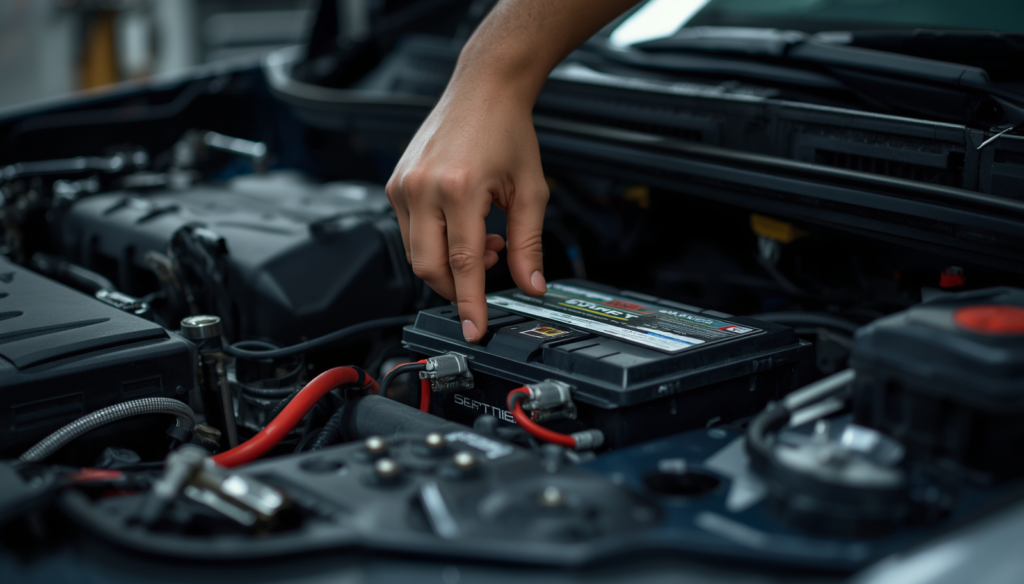
Inspect Battery Condition

Check for:

  • Corrosion around terminals
  • Damage
  • Loose connections

Clean battery connections when necessary.

Test Battery Performance

Older batteries may lose their ability to hold charge.

Battery testing helps identify problems before failure occurs.

Warning signs include:

  • Slow engine start
  • Dim lights
  • Electrical issues

Avoid Leaving Electronics Running

Leaving lights or electronics on while the engine is off can drain the battery.

Always check that electrical systems are turned off before leaving your vehicle.

Replace Old Batteries

Most batteries have a limited lifespan.

Replacing an aging battery before failure can prevent unexpected breakdowns.


Brake System Maintenance

Your braking system is one of the most important safety features of your vehicle.

Regular brake inspections help prevent dangerous situations.

Check Brake Pads

Brake pads naturally wear down over time.

Signs of worn brake pads include:

  • Squeaking sounds
  • Reduced braking power
  • Vibration during braking

Replacing brake pads on time protects other brake components.

Inspect Brake Rotors

Brake rotors work with brake pads to slow the vehicle.

Damaged rotors can cause:

  • Shaking
  • Noise
  • Poor braking performance

Monitor Brake Warning Signs

Never ignore brake problems.

Seek inspection if you notice:

  • Soft brake pedal
  • Strange noises
  • Longer stopping distance

Seasonal Car Maintenance Tips

Different weather conditions create different challenges for vehicles.

Preparing your car according to the season helps maintain reliability.

Summer Maintenance

Hot weather can affect:

  • Engine cooling
  • Battery performance
  • Tire pressure

Summer checks should include:

  • Cooling system inspection
  • Air conditioning check
  • Tire pressure monitoring

Winter Maintenance

Cold temperatures can create problems with:

  • Battery performance
  • Engine starting
  • Tire grip

Winter preparation includes:

  • Checking battery condition
  • Using suitable tires
  • Checking antifreeze levels

Rainy Weather Preparation

Wet conditions require extra attention.

Check:

  • Windshield wipers
  • Tire condition
  • Brake performance
  • Lights

Good visibility and traction are essential during rain.


Modern Vehicle Technology Maintenance

Modern cars include advanced technology systems that also require proper care.

Ignoring electronic systems can create expensive problems.

Maintain Vehicle Software

Many modern vehicles receive software updates.

Updates can improve:

  • Performance
  • Security
  • System reliability

Check with manufacturers for available updates.

Care for Digital Systems

Modern features include:

  • Touchscreens
  • Cameras
  • Sensors
  • Driver assistance systems

Keep these systems clean and address warning messages quickly.

Monitor Smart Vehicle Alerts

Connected vehicles can provide maintenance reminders.

Use these alerts to stay ahead of potential problems.


Common Car Maintenance Mistakes to Avoid

Many vehicle problems happen because owners make simple maintenance mistakes.

Avoiding these mistakes can save money and extend vehicle life.

Ignoring Warning Signs

Dashboard lights and unusual sounds should never be ignored.

Small problems can become expensive repairs if left untreated.

Skipping Regular Service

Delaying maintenance may seem like a way to save money, but it often creates larger expenses later.

Follow a consistent service schedule.

Using Incorrect Parts or Fluids

Always use recommended:

  • Oil type
  • Filters
  • Replacement parts
  • Fluids

Incorrect products can affect vehicle performance.

Driving With Damaged Tires

Damaged or worn tires reduce safety.

Replace unsafe tires instead of delaying replacement.

Forgetting About Small Checks

Simple inspections can prevent major issues.

Regularly check:

  • Fluid levels
  • Tire condition
  • Lights
  • Battery

Frequently Asked Questions About Car Maintenance

How often should I service my car?

Service intervals depend on the vehicle model, mileage, and manufacturer recommendations. Most vehicles require regular maintenance every few thousand miles.

What is the most important car maintenance task?

Regular oil changes are among the most important maintenance tasks because they protect the engine and improve performance.

How often should I check tire pressure?

It is recommended to check tire pressure at least once a month and before long trips.

How can I make my car last longer?

Regular maintenance, careful driving, timely repairs, and proper servicing can significantly increase vehicle lifespan.

What happens if I skip car maintenance?

Skipping maintenance can lead to reduced performance, lower fuel efficiency, safety risks, and expensive repairs.

How do I know my car needs service?

Warning lights, unusual sounds, poor performance, and changes in driving behavior may indicate that your vehicle needs attention.

Should I follow the owner’s manual?

Yes. The owner’s manual provides the most accurate maintenance schedule and recommendations for your specific vehicle.

Is preventive maintenance cheaper than repairs?

Yes. Preventive maintenance usually costs less than repairing major damage caused by neglect.


Conclusion

Regular car maintenance is one of the best ways to protect your vehicle investment. A properly maintained car is safer, more reliable, and more efficient.

Simple tasks such as checking oil, maintaining tires, inspecting brakes, and monitoring warning signs can prevent many expensive problems.

In 2026, modern vehicles require both traditional maintenance and attention to advanced technology systems. Staying consistent with maintenance schedules helps your vehicle perform better and last longer.

A good maintenance routine does not only save money; it also provides confidence every time you drive. Taking care of your car today helps ensure safer and more reliable journeys in the future.

Roadside Assistance Explained: Everything Car Owners Need to Know in 2026

Car problems can happen when you least expect them. A flat tire on a highway, a dead battery in a parking area, or a vehicle breakdown during a long trip can quickly become a stressful situation.

This is where roadside assistance becomes valuable. It provides emergency support when your vehicle cannot continue driving normally.

Modern roadside assistance services have changed significantly. In 2026, many providers use mobile apps, GPS technology, and faster response systems to help drivers get support whenever they need it.

Whether you drive a new vehicle, an older car, or travel frequently, having access to reliable roadside assistance can provide confidence and security.

Unlike regular vehicle maintenance, roadside assistance focuses on unexpected problems that happen during daily driving. It connects drivers with professionals who can provide immediate help and reduce inconvenience.

In this guide, we will explain what roadside assistance is, how it works, what services are included, costs, benefits, and how to choose the right plan for your vehicle.


Table of Contents

Table of Contents

1. What Is Roadside Assistance?

Learn what roadside assistance means and how it helps drivers during unexpected vehicle problems.

2. How Does Roadside Assistance Work?

Understand the process of requesting emergency help and receiving roadside support.

3. Services Included in Roadside Assistance

Explore common services such as towing, battery jump-starts, fuel delivery, and tire assistance.

4. Benefits of Having Roadside Assistance

Discover why emergency vehicle support is important for safety, convenience, and peace of mind.

5. Types of Roadside Assistance Plans

Learn about different plans available for individual drivers, families, and businesses.

6. Roadside Assistance vs Car Insurance

Understand the difference between roadside assistance and traditional vehicle insurance coverage.

7. How Much Does Roadside Assistance Cost?

Explore pricing factors and what affects the cost of emergency vehicle services.

8. How to Choose the Best Roadside Assistance Plan

Learn what features to consider before selecting a roadside assistance provider.

9. Roadside Assistance Tips for Drivers

Discover practical safety tips to handle vehicle emergencies effectively.

10. Future of Roadside Assistance Technology

Understand how technology is improving emergency vehicle support.

11. Frequently Asked Questions About Roadside Assistance

Get answers to common questions about roadside services, costs, and coverage.


What Is Roadside Assistance?

Roadside assistance is an emergency service designed to help drivers when their vehicle experiences unexpected problems while traveling.

It provides support for situations where a driver cannot continue their journey safely or needs professional help.

Common roadside assistance situations include:

  • Vehicle breakdowns
  • Flat tires
  • Dead batteries
  • Locked keys inside vehicles
  • Empty fuel tanks
  • Minor mechanical problems

Instead of finding a repair shop or towing service on your own, roadside assistance connects you with trained professionals who can provide immediate help.

For many drivers, roadside assistance acts as a safety network. It reduces stress during emergencies and ensures that help is available when unexpected problems occur.

Modern roadside assistance services are often available through:

  • Mobile applications
  • Phone support
  • Vehicle manufacturer programs
  • Insurance providers
  • Automobile clubs

The goal is simple: help drivers get back on the road as quickly and safely as possible.


How Does Roadside Assistance Work?

The process of using roadside assistance is designed to be simple and convenient.

When a vehicle problem occurs, the driver contacts the roadside assistance provider and explains the situation.

Step 1: Request Emergency Help

Drivers can usually request assistance through:

  • Mobile apps
  • Customer service numbers
  • Online platforms

The driver provides information such as:

  • Vehicle location
  • Vehicle type
  • Problem description

Step 2: Service Provider Assignment

After receiving the request, the company connects the driver with a nearby service professional.

The provider may send:

  • Tow truck operators
  • Mobile mechanics
  • Battery technicians
  • Tire specialists

Step 3: Vehicle Assistance

The technician arrives at the location and evaluates the problem.

Depending on the situation, they may:

  • Repair the issue on-site
  • Provide temporary assistance
  • Tow the vehicle to a repair facility

Step 4: Completing the Service

Once the problem is resolved or the vehicle is transported, the service request is completed.

Many modern systems allow drivers to track the technicianโ€™s arrival through GPS.


Services Included in Roadside Assistance

Roadside assistance plans vary, but most include several common emergency services.

Emergency Towing

Towing is one of the most important roadside assistance services.

If your vehicle cannot be repaired at the location, a tow truck can transport it to:

  • A repair shop
  • Dealership
  • Safe location

Many plans include a specific towing distance limit.

Battery Jump-Start Service

A dead battery is one of the most common vehicle problems.

Roadside technicians can provide a jump-start service to help restart your vehicle.

This service is useful when:

  • Battery power is low
  • Lights were accidentally left on
  • Vehicle has starting problems

Flat Tire Assistance

A flat tire can happen anywhere.

Roadside assistance providers can help by:

  • Changing the tire
  • Installing a spare tire
  • Providing temporary support

This is especially helpful for drivers who do not have tools or experience changing tires.

Fuel Delivery

Running out of fuel can happen during long trips or unfamiliar routes.

Many roadside assistance plans provide fuel delivery to help drivers reach the nearest fuel station.

Lockout Service

Accidentally locking keys inside a vehicle is a common problem.

Roadside professionals can help unlock vehicles without causing damage.

Minor Mechanical Assistance

Some providers offer basic repairs at the roadside.

Examples include:

  • Checking vehicle issues
  • Minor adjustments
  • Emergency troubleshooting

Benefits of Having Roadside Assistance

Roadside assistance provides several advantages that make driving safer and more convenient. Vehicle problems are unpredictable, and having professional support available can save time, money, and stress.

Peace of Mind During Emergencies

One of the biggest benefits of roadside assistance is confidence while driving.

Whether you are traveling alone, driving at night, or taking a long road trip, knowing that help is available provides reassurance.

Instead of worrying about finding a mechanic or towing service, you can simply contact your provider and request assistance.

Faster Response During Vehicle Problems

When a vehicle breaks down, time is often important.

Roadside assistance providers have networks of service professionals who can respond quickly.

This helps drivers avoid:

  • Waiting alone on the roadside
  • Searching for emergency services
  • Delaying travel plans

Many modern services use GPS technology to send the closest available technician.

Improved Safety

Vehicle breakdowns can be dangerous, especially in busy traffic areas or unfamiliar locations.

Roadside assistance improves safety by helping drivers move away from risky situations.

Professional support can reduce the need for drivers to:

  • Repair vehicles near traffic
  • Walk long distances for help
  • Handle dangerous situations alone

Saves Money on Emergency Services

Without a roadside assistance plan, emergency towing and repair services can become expensive.

A single tow truck visit may cost a significant amount depending on distance and location.

A roadside assistance membership can reduce these unexpected expenses.

Useful for Long Distance Travel

Road trips often involve unpredictable situations.

Roadside assistance is especially useful for:

  • Highway travel
  • Remote areas
  • Family trips
  • Vacation driving

It ensures support is available even when you are far from home.


Types of Roadside Assistance Plans

Different drivers have different needs, so roadside assistance providers offer various types of plans.

Choosing the right plan depends on your driving habits, vehicle type, and level of protection required.

Basic Roadside Assistance Plans

Basic plans usually include essential emergency services.

They may cover:

  • Towing
  • Battery jump-start
  • Flat tire assistance
  • Lockout service
  • Fuel delivery

These plans are suitable for drivers who want affordable emergency protection.

Premium Roadside Assistance Plans

Premium plans provide additional benefits and higher service limits.

They may include:

  • Longer towing distances
  • More service calls
  • Trip interruption benefits
  • Enhanced customer support

These plans are useful for frequent travelers.

Family Roadside Assistance Plans

Family plans allow multiple drivers or vehicles to receive protection.

They are useful for households with:

  • Multiple cars
  • Young drivers
  • Several family members

Commercial Roadside Assistance Plans

Businesses with company vehicles often choose commercial plans.

These plans support:

  • Delivery vehicles
  • Fleet vehicles
  • Company cars

Features may include fleet management and priority service.


Roadside Assistance vs Car Insurance

Many drivers confuse roadside assistance with car insurance, but they provide different types of protection.

Understanding the difference helps you choose the right coverage.

What Car Insurance Covers

Car insurance usually protects against financial losses caused by events such as:

  • Accidents
  • Vehicle damage
  • Theft
  • Natural disasters

Insurance helps pay for major losses according to policy terms.

What Roadside Assistance Covers

Roadside assistance focuses on immediate vehicle help.

It provides services such as:

  • Towing
  • Battery help
  • Tire changes
  • Emergency fuel delivery

It does not usually cover accident repairs or vehicle replacement.

Can You Have Both?

Yes. Many drivers use both car insurance and roadside assistance.

Insurance protects your vehicle financially, while roadside assistance helps during unexpected breakdown situations.

Together, they provide more complete vehicle protection.


How Much Does Roadside Assistance Cost?

The cost of roadside assistance depends on the provider, plan features, and coverage level.

Some drivers receive roadside assistance through insurance policies or vehicle manufacturers, while others purchase separate memberships.

Factors Affecting Cost

Several factors influence pricing:

Number of Services Included

Plans with more benefits usually cost more.

For example, premium plans may include:

  • More towing distance
  • More service calls
  • Additional travel benefits

Coverage Area

Some plans provide local coverage, while others offer nationwide or wider service areas.

Larger coverage areas may increase the cost.

Vehicle Type

Some vehicles may require specialized assistance.

Large vehicles, luxury cars, and commercial vehicles may have different pricing.

Membership Duration

Many providers offer:

  • Monthly plans
  • Annual memberships
  • Multi-year options

Longer memberships may provide better value.


How to Choose the Best Roadside Assistance Plan

Choosing the right roadside assistance plan requires comparing important features.

The cheapest option is not always the best option.

Check Service Coverage

Before selecting a plan, review what services are included.

Look for coverage such as:

  • Towing
  • Battery assistance
  • Tire service
  • Lockout help
  • Fuel delivery

Make sure the plan matches your needs.

Review Towing Limits

Towing distance is an important factor.

Some plans only cover short distances, while others provide longer towing coverage.

Consider your driving habits before choosing.

Check Response Time

A good roadside assistance provider should offer quick service.

Look for providers with:

  • Large service networks
  • Good customer reviews
  • Reliable response times

Consider Mobile App Features

Modern roadside assistance services often provide mobile apps.

Useful features include:

  • Requesting help online
  • Tracking service vehicles
  • Checking membership details
  • Receiving updates

Read Customer Reviews

Customer experiences can provide valuable information.

Look for feedback about:

  • Service quality
  • Response speed
  • Claim handling
  • Customer support

Roadside Assistance Tips for Drivers

While roadside assistance provides support, drivers should also follow safety practices during emergencies.

Keep an Emergency Kit

Every vehicle should have basic emergency supplies.

Useful items include:

  • Flashlight
  • First aid kit
  • Warning triangle
  • Phone charger
  • Basic tools

Keep Your Phone Charged

A working phone is essential during vehicle emergencies.

Consider keeping:

  • Car charger
  • Power bank

available during trips.

Know Your Vehicle Information

Keep important vehicle details accessible.

These include:

  • Vehicle model
  • Registration information
  • Insurance details

This information helps service providers respond faster.

Stay Safe While Waiting

If your vehicle breaks down:

  • Move to a safe location if possible
  • Turn on hazard lights
  • Stay away from traffic
  • Avoid accepting help from unknown individuals

Safety should always be the priority.


Future of Roadside Assistance Technology

Technology is changing how emergency vehicle services operate.

Future roadside assistance will become faster, smarter, and more connected.

AI-Based Vehicle Support

Artificial intelligence may help identify vehicle problems before drivers request assistance.

Future systems could analyze:

  • Engine warnings
  • Battery conditions
  • Driving patterns

This may allow preventive support before major breakdowns occur.

Connected Vehicle Assistance

Modern vehicles are becoming more connected.

Future cars may automatically send information when problems occur.

For example:

  • Automatic breakdown alerts
  • Vehicle location sharing
  • Remote diagnostics

Faster Digital Service

Mobile technology will continue improving roadside assistance.

Future features may include:

  • Instant service requests
  • Real-time technician tracking
  • Digital payment systems
  • Automated vehicle diagnosis

Frequently Asked Questions About Roadside Assistance

What is roadside assistance?

Roadside assistance is an emergency service that helps drivers when their vehicle breaks down or experiences problems while traveling.

What services are included in roadside assistance?

Common services include towing, battery jump-starts, tire assistance, fuel delivery, and vehicle lockout help.

Is roadside assistance included with car insurance?

Some insurance companies offer roadside assistance as an optional add-on, but it depends on the policy.

How many times can I use roadside assistance?

The number of service calls depends on your plan. Some memberships limit annual usage.

Is roadside assistance worth buying?

For many drivers, roadside assistance is valuable because it provides emergency support and reduces unexpected expenses.

Can roadside assistance help with flat tires?

Yes. Many roadside assistance plans provide tire-changing services or help installing a spare tire.

Does roadside assistance cover accidents?

Roadside assistance can help after some accidents, such as providing towing, but it does not replace accident insurance coverage.

Can roadside assistance help if I run out of fuel?

Yes. Many plans provide emergency fuel delivery.


Conclusion

Roadside assistance is an important part of modern vehicle protection. Unexpected problems can happen anytime, and having reliable emergency support can make driving safer and less stressful.

From flat tires and dead batteries to towing and emergency help, roadside assistance provides valuable services when drivers need them most.

Choosing the right plan depends on your driving habits, vehicle type, and personal needs. Before purchasing, compare coverage options, service limits, response times, and customer reviews.

As vehicle technology continues to improve, roadside assistance will become even smarter with connected cars, AI support, and faster emergency response systems.

For any car owner who wants extra confidence on the road, roadside assistance is a practical investment for safer and more convenient driving.

Car Warranty Explained: Complete Guide for Vehicle Owners in 2026

Buying a car is a major investment, and protecting that investment is important for every vehicle owner. Unexpected mechanical problems can become expensive, especially when major components such as the engine, transmission, or electrical systems require repairs.

A car warranty helps protect owners from certain repair costs by providing coverage for specific vehicle problems during a defined period.

Many people hear about warranties when purchasing a new vehicle, but they do not always understand what a warranty covers, how long it lasts, or whether additional protection plans are worth buying.

In 2026, vehicle technology has become more advanced. Modern cars include complex electronics, smart safety systems, hybrid technology, and connected features. Because of this, understanding warranty protection has become more important than ever.

A warranty is not the same as insurance. Insurance usually protects against accidents, theft, and unexpected external damage, while a warranty focuses mainly on mechanical and manufacturing-related issues.

This complete guide explains everything about car warranties, including how they work, different types, coverage options, benefits, limitations, and how to choose the right protection for your vehicle.


Table of Contents

Table of Contents

1. What Is a Car Warranty?

Learn what a car warranty is and how it protects vehicle owners from repair costs.

2. How Does a Car Warranty Work?

Understand warranty coverage, repair claims, terms, and service agreements.

3. Why Is a Car Warranty Important?

Discover how warranties provide financial protection and peace of mind.

4. Types of Car Warranties

Explore factory warranties, extended warranties, powertrain warranties, and more.

5. What Does a Car Warranty Cover?

Learn about covered components including engine, transmission, electronics, and systems.

6. What Is Not Covered Under a Car Warranty?

Understand exclusions and situations where warranty coverage may not apply.

7. Extended Car Warranty Explained

Learn how extended warranties work and whether they are worth considering.

8. How to Choose the Right Car Warranty

Find important factors to consider before purchasing warranty protection.

9. Car Warranty vs Car Insurance

Understand the differences between warranty protection and insurance coverage.

10. Future of Car Warranty Protection

Discover how technology is changing vehicle warranties in the future.

11. Frequently Asked Questions About Car Warranty

Get answers to common questions about vehicle warranty coverage.


What Is a Car Warranty?

A car warranty is a service agreement provided by a manufacturer or third-party company that covers certain vehicle repairs for a specific period.

The purpose of a warranty is to protect car owners from paying the full cost of repairs caused by covered mechanical or manufacturing problems.

When a covered issue occurs, the warranty provider may pay for eligible repairs according to the terms and conditions of the agreement.

A car warranty usually includes:

  • Coverage period
  • Mileage limits
  • Covered components
  • Repair conditions
  • Service requirements

For example, if a vehicle has a covered engine problem during the warranty period, the manufacturer may repair or replace the affected component without charging the owner the full repair cost.

However, warranties do not cover every possible problem. Understanding the details of your warranty is important before relying on it.


How Does a Car Warranty Work?

A car warranty works as a protection agreement between the vehicle owner and the warranty provider.

When you purchase a new vehicle, the manufacturer usually includes a basic warranty.

During the warranty period:

  • The owner maintains the vehicle according to requirements
  • Covered problems are reported
  • Authorized repair centers inspect the issue
  • Eligible repairs are completed under warranty coverage

Warranty Period

Every warranty has a specific duration.

It may be based on:

  • Number of years
  • Vehicle mileage
  • Both time and mileage limits

For example, a warranty may expire after reaching a certain mileage even if the time period has not ended.

Warranty Claims

If a vehicle develops a covered problem, the owner can request warranty service.

The process usually includes:

  1. Contacting the manufacturer or provider
  2. Taking the vehicle to an approved repair facility
  3. Vehicle inspection
  4. Repair approval
  5. Completion of covered repairs

Authorized Repair Centers

Many warranties require repairs to be completed by approved service centers.

Using unauthorized repair shops may affect coverage depending on warranty terms.


Why Is a Car Warranty Important?

A warranty provides valuable protection against unexpected repair expenses.

Modern vehicles contain expensive components, and repairs can become costly.

Protection Against Expensive Repairs

Major vehicle components can cost thousands to repair.

Examples include:

  • Engine systems
  • Transmission components
  • Electronic modules
  • Safety technology

A warranty can reduce these financial risks.

Peace of Mind for Vehicle Owners

Knowing that certain repairs are covered allows owners to drive with more confidence.

Unexpected mechanical failures become easier to manage.

Supports Vehicle Reliability

Warranty programs often encourage regular maintenance.

Following service schedules helps maintain vehicle performance and reliability.

Helps Protect New Vehicle Investment

New vehicles usually include advanced technology and expensive components.

Warranty coverage helps protect this investment during the early years of ownership.


Types of Car Warranties

There are several types of vehicle warranties available.

Each type provides different levels of protection.

Manufacturer Factory Warranty

A factory warranty is provided by the vehicle manufacturer when purchasing a new car.

It usually covers defects related to materials and workmanship.

Common coverage includes:

  • Engine problems
  • Transmission issues
  • Electrical defects

Powertrain Warranty

A powertrain warranty focuses on major mechanical components.

It commonly covers:

  • Engine
  • Transmission
  • Drivetrain systems

Powertrain warranties often last longer than basic warranties.

Bumper-to-Bumper Warranty

A bumper-to-bumper warranty provides broader coverage.

It may include many vehicle components except specific exclusions.

Extended Car Warranty

An extended warranty continues protection after the original factory warranty expires.

It is designed for owners who want longer repair protection.

What Does a Car Warranty Cover?

Car warranty coverage depends on the type of warranty and the terms of the agreement. Different warranties protect different vehicle components.

Understanding what is covered helps you know when you can use your warranty benefits.

Engine Coverage

The engine is one of the most expensive parts of a vehicle.

Many warranties cover major engine-related problems, including:

  • Internal engine failures
  • Manufacturing defects
  • Certain mechanical breakdowns

Regular maintenance is usually required to keep engine coverage valid.

Transmission Coverage

The transmission controls how power moves from the engine to the wheels.

Transmission repairs can be very expensive, which is why many warranties include this protection.

Coverage may include:

  • Transmission components
  • Gear system problems
  • Mechanical failures

Electrical System Coverage

Modern vehicles depend heavily on electronic systems.

Some warranties cover problems related to:

  • Sensors
  • Control modules
  • Electrical components
  • Vehicle computer systems

Safety Technology Coverage

New vehicles include advanced safety features.

Depending on the warranty, coverage may include:

  • Camera systems
  • Sensors
  • Electronic safety components

Air Conditioning System

Some warranty plans include air conditioning components.

This may cover issues with:

  • Compressors
  • Cooling systems
  • Related parts

What Is Not Covered Under a Car Warranty?

Although warranties provide valuable protection, they do not cover everything.

Understanding exclusions prevents confusion during repair situations.

Normal Wear and Tear

Most warranties do not cover parts that naturally wear out.

Examples include:

  • Brake pads
  • Tires
  • Wiper blades
  • Clutch components

These parts require regular replacement through normal maintenance.

Maintenance Services

Routine maintenance is usually the owner’s responsibility.

Common maintenance items include:

  • Oil changes
  • Filter replacements
  • Fluid services
  • Tire rotation

Accidental Damage

Warranty protection usually does not cover damage caused by accidents.

Examples:

  • Collision damage
  • Vehicle misuse
  • External damage

These situations are typically handled through insurance.

Unauthorized Modifications

Changing your vehicle with non-approved modifications may affect warranty coverage.

Examples:

  • Performance upgrades
  • Engine modifications
  • Electrical changes

Always check warranty rules before modifying your vehicle.

Neglect or Poor Maintenance

Failing to maintain your vehicle properly can result in denied warranty claims.

Owners should keep:

  • Service records
  • Repair documents
  • Maintenance history

Extended Car Warranty Explained

An extended car warranty provides additional protection after the original factory warranty expires.

It is also known as a vehicle service contract in many situations.

Extended warranties are designed for owners who want protection from future repair costs.

How Extended Warranty Works

An extended warranty works similarly to a factory warranty.

If a covered component fails:

  • The owner contacts the provider
  • The vehicle is inspected
  • Approved repairs are completed

Coverage depends on the plan selected.

Benefits of Extended Warranty

Protection Against High Repair Costs

As vehicles age, repair expenses often increase.

An extended warranty can help manage unexpected costs.

Longer Vehicle Ownership Confidence

Many owners keep vehicles for several years beyond the original warranty period.

Extended protection provides additional security.

Budget Planning

Unexpected repairs can affect finances.

A warranty creates more predictable vehicle expenses.


Are Extended Car Warranties Worth It?

Whether an extended warranty is worth buying depends on several factors.

Vehicle Reliability

Reliable vehicles may require fewer repairs, while vehicles with expensive components may benefit more from additional protection.

Repair Costs

Consider the possible cost of major repairs.

Expensive systems such as:

  • Transmission
  • Electronics
  • Hybrid components

can make extended coverage more valuable.

Ownership Period

If you plan to keep your vehicle for many years, extended protection may provide more benefits.

Warranty Price

Compare:

  • Warranty cost
  • Coverage level
  • Repair risks

Make sure the plan provides real value.


How to Choose the Right Car Warranty

Selecting the right warranty requires careful research.

Not every warranty plan provides the same level of protection.

Understand Coverage Details

Before purchasing, check:

  • Covered components
  • Repair limits
  • Service locations
  • Claim process

Compare Different Providers

Compare multiple warranty options based on:

  • Reputation
  • Coverage
  • Pricing
  • Customer support

Check Warranty Duration

Consider how long you need protection.

Some plans provide:

  • Short-term coverage
  • Multi-year protection
  • Mileage-based coverage

Review Exclusions

Always read what is not covered.

A cheaper warranty may have many restrictions.

Consider Your Vehicle Age

Older vehicles may benefit more from extended protection because repair risks increase with age.


Car Warranty vs Car Insurance

Many people confuse warranties and insurance, but they provide different types of protection.

Car Warranty

A warranty mainly covers mechanical and manufacturing problems.

Examples:

  • Engine failure
  • Transmission issues
  • Covered electrical problems

Car Insurance

Insurance protects against external events.

Examples:

  • Accidents
  • Theft
  • Fire
  • Weather damage

Main Difference

A warranty protects your vehicle from certain repair costs, while insurance protects you from unexpected accidents and damages.

Many vehicle owners use both because they cover different risks.


Future of Car Warranty Protection

Vehicle technology is changing quickly, and warranties are evolving with it.

Future warranty systems will become more digital and personalized.

Connected Vehicle Monitoring

Modern cars can collect information about vehicle health.

Future warranty systems may use this data to:

  • Predict problems
  • Schedule maintenance
  • Prevent failures

Artificial Intelligence Diagnostics

AI technology can help identify vehicle issues faster.

Benefits may include:

  • Early problem detection
  • Faster repairs
  • Better customer service

Electric Vehicle Warranty Growth

Electric vehicles have different components compared to traditional cars.

Future warranties will focus more on:

  • Battery protection
  • Electric motors
  • Charging systems

Digital Warranty Management

Many companies are moving toward digital platforms.

Owners may be able to:

  • View warranty details online
  • Submit claims digitally
  • Track repair status

Frequently Asked Questions About Car Warranty

What is a car warranty?

A car warranty is a protection agreement that covers certain vehicle repairs caused by covered mechanical or manufacturing problems.

How long does a car warranty last?

Warranty duration depends on the manufacturer or provider and may be based on years, mileage, or both.

Is car warranty the same as insurance?

No. Warranty covers certain mechanical repairs, while insurance covers accidents, theft, and external damage.

Does a warranty cover regular maintenance?

Usually no. Routine maintenance such as oil changes and tire replacement is generally the owner’s responsibility.

Is an extended car warranty worth buying?

It depends on your vehicle reliability, repair costs, and how long you plan to keep your car.

Can I buy an extended warranty after purchasing a car?

Yes, many providers offer extended warranty options after the original purchase.

Does modifying my car affect warranty coverage?

Some modifications may affect warranty protection depending on the terms and conditions.

What is usually covered by a factory warranty?

Factory warranties commonly cover defects in materials and workmanship, including certain engine, transmission, and electrical issues.


Conclusion

A car warranty is an important protection tool that helps vehicle owners manage unexpected repair costs. With modern vehicles becoming more advanced, warranty coverage has become increasingly valuable.

Understanding the difference between factory warranties, extended warranties, and insurance allows drivers to make smarter decisions about vehicle protection.

A good warranty plan can provide financial security, reduce repair stress, and help maintain confidence throughout vehicle ownership.

Before choosing a warranty, always review coverage details, compare options, and select a plan that matches your vehicle and driving needs.

Protecting your vehicle today can help you avoid expensive problems in the future and enjoy a safer, more reliable driving experience

Best GPS Trackers for Cars in 2026

Vehicle security has become more important than ever. With rising concerns about car theft, unauthorized use, and vehicle safety, many car owners are looking for smarter ways to protect their vehicles.

A GPS tracker for cars is one of the most useful technologies available today. These small devices allow owners to monitor their vehicle location, track driving activity, and receive alerts when something unusual happens.

Modern GPS trackers are no longer limited to large companies or fleet managers. Today, everyday drivers can use affordable tracking devices to improve vehicle security and gain more control over their cars.

In 2026, GPS tracking technology has become more advanced with real-time location updates, smartphone apps, geofencing features, theft alerts, and improved accuracy. Whether you own a personal vehicle, manage multiple cars, or want extra protection for your family members, a GPS tracker can provide valuable security.

This guide explains how car GPS trackers work, their benefits, important features, costs, and how to choose the best option for your vehicle.


Table of Contents

Table of Contents

1. What Is a GPS Tracker for Cars?

Learn what a car GPS tracker is, how it works, and why vehicle owners use tracking devices for security.

2. How Do Car GPS Trackers Work?

Understand GPS technology, satellite signals, mobile networks, and tracking systems.

3. Benefits of Using a GPS Tracker in Your Car

Explore how GPS trackers help prevent theft, monitor vehicles, and improve safety.

4. Types of GPS Trackers for Vehicles

Discover plug-in, hardwired, battery-powered, and portable GPS trackers.

5. Important Features to Look for in a Car GPS Tracker

Learn about real-time tracking, alerts, battery life, and mobile apps.

6. Best GPS Trackers for Cars in 2026

Explore popular GPS tracking options and their features.

7. How Much Does a Car GPS Tracker Cost?

Understand device prices, subscription fees, and installation costs.

8. GPS Tracker Installation Guide

Learn how to install different types of GPS trackers.

9. Are GPS Trackers Legal to Use?

Understand privacy rules and legal considerations.

10. Tips for Choosing the Right GPS Tracker

Find practical tips to select the best tracking device.

11. Frequently Asked Questions About Car GPS Trackers

Get answers to common GPS tracker questions.

What Is a GPS Tracker for Cars?

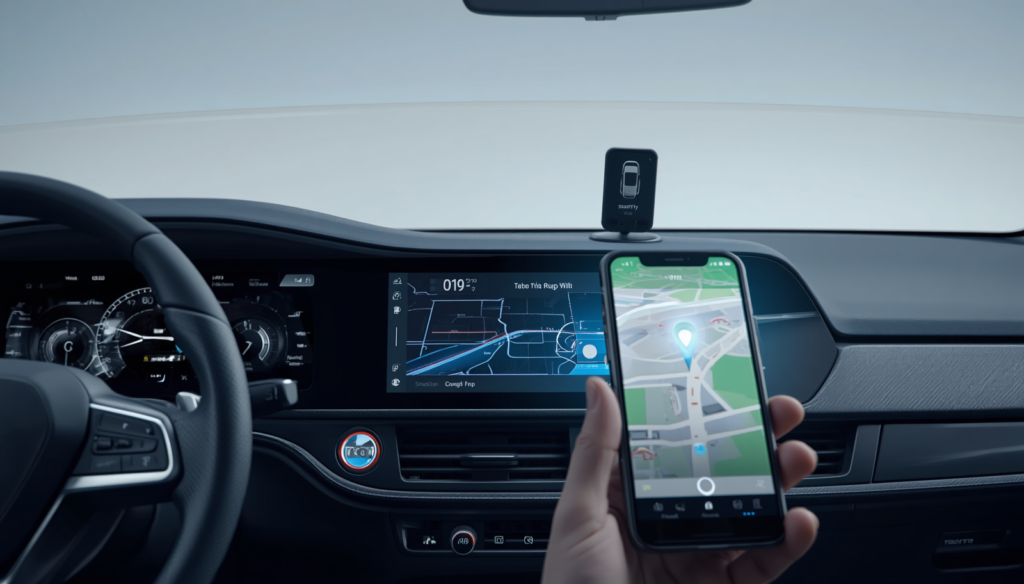
A GPS tracker for cars is a small electronic device that uses Global Positioning System technology to monitor the location of a vehicle. It allows vehicle owners to know where their car is located at any time through a smartphone app, website dashboard, or connected system.

These devices are commonly used for vehicle security, fleet management, and personal tracking. A GPS tracker can provide real-time information about a vehicleโ€™s location, movement, and activity.

Unlike traditional anti-theft systems that only create alarms after someone tries to steal a vehicle, GPS trackers provide active monitoring. If a car moves without permission, the owner can quickly check its location and take action.

Modern GPS trackers are designed to be compact and easy to use. Some models connect directly to the vehicleโ€™s power system, while others operate using rechargeable batteries.

Many advanced trackers now include additional features such as:

  • Real-time location tracking
  • Speed monitoring
  • Geofence alerts
  • Travel history
  • Emergency notifications
  • Vehicle health information

For many drivers, a GPS tracker is becoming an important part of modern vehicle protection.


How Do Car GPS Trackers Work?

A GPS tracker works by communicating with satellites, mobile networks, and tracking software to provide accurate location information.

The process involves several technologies working together.

GPS Satellite Connection

The device receives signals from GPS satellites orbiting the Earth. These signals help determine the exact location of the tracker.

The more satellite connections available, the more accurate the location information usually becomes.

Mobile Network Communication

After collecting location data, the GPS tracker sends information through cellular networks.

This allows the owner to view the vehicle location remotely using a smartphone app or online dashboard.

Tracking Application

Most modern GPS trackers come with dedicated apps or web platforms.

Through these systems, users can:

  • View current location
  • Check driving history
  • Create location alerts
  • Monitor vehicle activity

The information is usually updated automatically based on the device settings.

Benefits of Using a GPS Tracker in Your Car

A GPS tracker provides more than just location information. Modern tracking devices offer several advantages that improve vehicle security, convenience, and overall control.

As vehicle technology continues to improve, GPS trackers are becoming an important security tool for many car owners.

Protection Against Vehicle Theft

One of the biggest reasons people install GPS trackers is theft protection.

Traditional security systems may alert owners when someone breaks into a vehicle, but a GPS tracker provides real-time location information after unauthorized movement occurs.

If a vehicle is stolen, the owner can:

  • Track the current location
  • Share location details with authorities
  • Monitor vehicle movement
  • Increase the chance of recovery

A GPS tracker does not physically stop theft, but it provides valuable information that can help recover a stolen vehicle.

Real-Time Vehicle Monitoring

GPS trackers allow owners to monitor their vehicles from anywhere.

Through a smartphone application, users can check:

  • Current vehicle location
  • Travel routes
  • Parking locations
  • Movement history

This feature is useful for personal vehicles, family cars, and business vehicles.

Better Safety for Family Members

Many families use GPS trackers to improve safety when younger drivers or elderly family members use a vehicle.

Parents can monitor driving activity and receive alerts about unusual situations.

Some devices provide information about:

  • Speed levels
  • Driving patterns
  • Long-distance trips
  • Unexpected vehicle movement

This helps encourage safer driving habits.

Fleet Management Benefits

Businesses that operate multiple vehicles often use GPS tracking systems to manage their fleet.

Companies can improve efficiency by monitoring:

  • Vehicle locations
  • Driver routes
  • Fuel usage
  • Delivery progress
  • Vehicle activity

GPS tracking helps businesses reduce unnecessary costs and improve productivity.

Lower Insurance Costs

Some insurance companies may offer discounts for vehicles with advanced security features.

A GPS tracker can show that a vehicle has additional protection against theft.

However, discounts depend on the insurance provider and location.

Peace of Mind

Knowing where your vehicle is provides confidence and reduces stress.

Whether your car is parked in a public area or being driven by another person, a GPS tracker gives you better awareness and control.


Types of GPS Trackers for Vehicles

Different GPS trackers are designed for different needs. Choosing the right type depends on how you plan to use the device and how much convenience you want.

Plug-In GPS Trackers

Plug-in GPS trackers are among the easiest devices to install.

They connect directly to the vehicleโ€™s OBD-II port, which is usually located under the dashboard.

Advantages include:

  • Simple installation
  • No professional help required
  • Easy removal
  • Vehicle information access

These trackers are popular among personal vehicle owners because they can be installed within minutes.

Hardwired GPS Trackers

Hardwired trackers connect directly to the vehicleโ€™s electrical system.

They are usually installed by professionals and provide a more permanent solution.

Benefits include:

  • Hidden installation
  • Continuous power supply
  • Better theft protection
  • Difficult for thieves to detect

These trackers are commonly used by businesses and owners who want long-term security.

Battery-Powered GPS Trackers

Battery-powered trackers operate independently without connecting to the vehicle.

They can be placed almost anywhere in or around the vehicle.

Advantages include:

  • Flexible placement
  • Easy installation
  • Portable design

The main limitation is that the battery requires charging or replacement.

Portable GPS Trackers

Portable trackers are small devices that can be moved between vehicles.

They are useful for:

  • Rental cars
  • Temporary tracking
  • Multiple vehicles

They provide flexibility but may require regular charging.


Important Features to Look for in a Car GPS Tracker

Not all GPS trackers provide the same features. Before purchasing a device, consider the functions that are most important for your needs.

Real-Time Tracking

Real-time tracking is one of the most important features.

It allows users to see the vehicleโ€™s current location instead of only receiving occasional updates.

A quality tracker should provide:

  • Accurate location updates
  • Fast response times
  • Reliable connection

Mobile App Support

A good GPS tracker should have an easy-to-use smartphone application.

The app should allow users to:

  • View vehicle location
  • Receive alerts
  • Check history
  • Manage settings

A poor-quality app can make even a good tracker difficult to use.

Geofencing Alerts

Geofencing allows users to create virtual boundaries.

For example, you can create a safe area around your home or workplace.

If the vehicle enters or leaves that area, you receive an alert.

This feature is useful for:

  • Family vehicles
  • Business fleets
  • Theft prevention

Speed Monitoring

Speed alerts help owners monitor driving behavior.

The tracker can notify users when a vehicle exceeds a selected speed limit.

This feature is especially useful for parents monitoring young drivers.

Long Battery Life

For battery-powered trackers, battery performance is very important.

A longer battery life means:

  • Less frequent charging
  • Better reliability
  • More convenient usage

Vehicle Health Monitoring

Some advanced GPS trackers can provide vehicle information beyond location.

They may monitor:

  • Engine status
  • Battery condition
  • Diagnostic codes
  • Maintenance reminders

This helps owners understand vehicle condition and prevent problems.


Best GPS Trackers for Cars in 2026

The best GPS tracker depends on your budget, vehicle type, and security requirements.

In 2026, popular GPS trackers focus on accuracy, reliability, mobile connectivity, and smart features.

Trackers for Personal Vehicle Security

For everyday drivers, the ideal tracker should offer:

  • Real-time tracking
  • Theft alerts
  • Easy installation
  • Mobile app support

Personal vehicle owners usually prefer compact devices that provide reliable protection without complicated setup.

Trackers for Business Vehicles

Companies managing multiple vehicles need advanced solutions.

Important features include:

  • Fleet dashboards
  • Driver reports
  • Route tracking
  • Multiple vehicle management

Business-focused trackers help improve efficiency and reduce operating costs.

Premium GPS Tracking Systems

Premium tracking devices often include advanced technology such as:

  • Faster updates
  • Better accuracy
  • Vehicle diagnostics
  • Extended support services

These options are suitable for owners who want maximum protection and additional features.

How Much Does a Car GPS Tracker Cost?

The cost of a car GPS tracker depends on the type of device, features, brand, and service requirements. Some basic trackers are affordable, while advanced systems with professional monitoring and additional features can cost more.

When calculating the total cost, you should consider both the device price and any ongoing subscription fees.

GPS Tracker Device Price

The initial cost of a GPS tracker can vary depending on its quality and features.

Basic models usually provide simple location tracking, while advanced models may include:

  • Real-time tracking
  • Vehicle diagnostics
  • Driving reports
  • Theft alerts
  • Long battery life
  • Professional monitoring

A higher-quality tracker often provides better reliability and accuracy.

Monthly Subscription Costs

Many GPS trackers require a monthly service plan because they use mobile networks to send location data.

Subscription fees usually cover:

  • Cellular connectivity
  • Tracking platform access
  • Data services
  • Software updates

Some trackers offer monthly plans, while others provide yearly subscriptions at a lower overall cost.

Installation Costs

Installation expenses depend on the tracker type.

Plug-in and portable trackers usually require no professional installation.

Hardwired trackers may require a technician because they connect directly to the vehicleโ€™s electrical system.

Professional installation can provide benefits such as:

  • Better hiding of the device
  • More secure placement
  • Proper wiring

Is a GPS Tracker Worth the Cost?

For many vehicle owners, a GPS tracker provides valuable protection compared to its cost.

Considering the price of modern vehicles, the ability to locate and recover a stolen car can make a tracker a worthwhile investment.


GPS Tracker Installation Guide

Installing a GPS tracker is usually simple, but the process depends on the type of device you choose.

Proper installation ensures accurate performance and reliable tracking.

Installing a Plug-In GPS Tracker

Plug-in trackers are among the easiest to install.

Steps usually include:

  1. Locate the vehicleโ€™s OBD-II port
  2. Connect the tracker to the port
  3. Download the mobile app
  4. Create an account
  5. Test the device location

The entire process can often be completed within minutes.

Installing a Hardwired GPS Tracker

Hardwired trackers require more technical installation.

The device connects directly to the vehicleโ€™s power system.

Installation usually involves:

  1. Selecting a hidden location
  2. Connecting power wires
  3. Securing the device
  4. Testing the tracking system

Because incorrect wiring can damage vehicle electronics, professional installation is often recommended.

Best Places to Install a GPS Tracker

A good installation location should provide:

  • Strong signal reception
  • Protection from damage
  • Easy access for maintenance

Common locations include:

  • Under the dashboard
  • Inside vehicle panels
  • Behind interior compartments

For theft protection, hidden installation is usually better because thieves are less likely to find the device.


Are GPS Trackers Legal to Use?

GPS trackers are generally legal for vehicle owners who are tracking their own vehicles. However, privacy laws vary depending on location, and users should understand the rules before installing a tracking device.

Using a GPS tracker without permission on someone else’s vehicle may create legal problems.

Tracking Your Own Vehicle

If you own the vehicle, using a GPS tracker for security and monitoring purposes is usually acceptable.

Common reasons include:

  • Theft prevention
  • Vehicle protection
  • Fleet management
  • Family safety

Tracking Business Vehicles

Businesses commonly use GPS tracking for company-owned vehicles.

However, employers should inform drivers about tracking policies and follow applicable privacy regulations.

Respecting Privacy

GPS tracking provides powerful information about a vehicleโ€™s location.

Users should consider:

  • Who has access to tracking data
  • How information is stored
  • When tracking is active

Responsible use helps maintain privacy and trust.


Tips for Choosing the Right GPS Tracker

With many GPS tracking options available, selecting the right one requires careful consideration.

The best tracker is not always the most expensive one. It should match your specific security needs.

Consider Your Main Purpose

Before buying a tracker, decide why you need it.

Different users have different priorities:

Personal car owners may focus on theft protection.

Parents may want driving monitoring.

Businesses may need fleet management features.

Understanding your purpose helps narrow down your choices.

Check Tracking Accuracy

A quality GPS tracker should provide accurate location information.

Look for devices with:

  • Reliable GPS connection
  • Fast updates
  • Strong network support

Poor accuracy reduces the usefulness of a tracking device.

Review Mobile App Quality

The mobile application is an important part of the tracking experience.

A good app should be:

  • Easy to navigate
  • Fast
  • Reliable
  • Regularly updated

A complicated app can make daily use frustrating.

Check Battery Performance

If you choose a battery-powered tracker, battery life is important.

A longer-lasting battery means:

  • Less maintenance
  • More reliable tracking
  • Better convenience

Compare Subscription Plans

Before purchasing, check ongoing costs.

Some devices may have a low purchase price but expensive monthly fees.

Compare:

  • Monthly charges
  • Annual plans
  • Included features
  • Cancellation policies

Choose a Reliable Brand

A trusted manufacturer usually provides better:

  • Product quality
  • Customer support
  • Software updates
  • Warranty services

Researching customer reviews can help you avoid unreliable products.


Future of Car GPS Tracking Technology

GPS tracking technology continues to improve as vehicles become smarter and more connected.

Future tracking systems are expected to offer even better security and advanced features.

Artificial Intelligence Integration

AI technology may help GPS trackers understand driving behavior and identify unusual activity.

Future systems could detect:

  • Suspicious vehicle movement
  • Unusual routes
  • Possible theft situations

Integration With Smart Vehicles

As connected vehicles become more common, GPS trackers may work directly with vehicle systems.

This could allow:

  • Better diagnostics
  • Automatic alerts
  • Improved maintenance tracking

Enhanced Anti-Theft Protection

Future GPS systems may combine tracking with other security technologies.

Examples include:

  • Smart locks
  • Digital keys
  • Remote vehicle controls
  • Advanced alerts

These improvements will make vehicles safer and easier to manage.


Frequently Asked Questions About Car GPS Trackers

What is the purpose of a GPS tracker for a car?

A GPS tracker helps vehicle owners monitor location, improve security, prevent theft, and track vehicle activity.

Do GPS trackers work without internet?

Most real-time GPS trackers require a mobile network connection to send location information to apps or online platforms.

Can a GPS tracker help recover a stolen car?

Yes, GPS trackers can provide location information that may help owners and authorities recover stolen vehicles.

How long does a car GPS tracker battery last?

Battery life depends on the device type and usage. Some battery-powered trackers can last weeks or months before needing charging.

Can I install a GPS tracker myself?

Yes, many plug-in and portable trackers are designed for easy self-installation. Hardwired devices may require professional installation.

Do GPS trackers require monthly fees?

Many trackers require subscriptions for mobile connectivity and tracking services, although some basic models may not.

Can GPS trackers monitor driving speed?

Many advanced GPS trackers can monitor speed and send alerts when a vehicle exceeds a selected limit.

Are GPS trackers safe for vehicles?

Yes, properly installed GPS trackers are safe and do not damage vehicles.


Conclusion

A GPS tracker is one of the most effective tools for improving vehicle security in 2026. With features like real-time tracking, theft alerts, driving monitoring, and mobile access, these devices provide greater control over your vehicle.

Whether you want to protect your personal car, monitor family vehicles, or manage a business fleet, a GPS tracker can provide valuable benefits.

Before choosing a device, consider your needs, budget, installation options, and subscription costs. The right GPS tracker should offer reliable performance, accurate tracking, and useful features that make vehicle ownership safer and more convenient.

As automotive technology continues to advance, GPS tracking will become an even more important part of modern car security.

How to Protect Your Car From Theft in 2026

Car theft remains one of the biggest concerns for vehicle owners around the world. As vehicles become more valuable and technology continues to advance, criminals are also developing new methods to target modern cars.

Protecting your vehicle is no longer only about locking the doors and keeping the keys safe. Today, car owners need smarter security solutions that combine traditional safety habits with advanced technology.

Modern vehicles come with built-in security systems, but additional protection can make a significant difference. Devices like GPS trackers, dash cameras, smart alarms, steering locks, and mobile monitoring systems provide extra layers of security.

In 2026, vehicle protection is becoming more technology-focused. Smart security tools allow owners to monitor their cars, receive instant alerts, and take quick action if suspicious activity occurs.

This guide explains the most effective ways to protect your car from theft, including practical safety tips, advanced security devices, and future vehicle protection trends.


Table of Contents

Table of Contents

1. Why Car Theft Is Increasing in 2026

Understand modern car theft methods and why vehicle security has become more important.

2. Always Use Basic Car Security Habits

Learn simple daily habits that reduce the risk of vehicle theft.

3. Install a GPS Tracker for Your Car

Discover how GPS tracking technology helps locate and protect vehicles.

4. Use Advanced Anti-Theft Devices

Explore security devices that add extra protection beyond factory systems.

5. Protect Your Car Keys From Theft

Learn how criminals steal modern keyless vehicles and how to prevent it.

6. Choose Safe Parking Locations

Understand how parking choices affect vehicle security.

7. Use Smart Car Security Technology

Explore modern apps, cameras, alarms, and connected vehicle protection systems.

8. Best Anti-Theft Accessories for Cars

Discover useful accessories that improve vehicle protection.

9. What To Do If Your Car Gets Stolen

Learn the important steps to take after vehicle theft.

10. Future of Car Theft Prevention

Understand how AI and smart technology will change vehicle security.

11. Frequently Asked Questions About Car Theft Protection

Find answers to common questions about preventing vehicle theft.


Why Car Theft Is Increasing in 2026

Vehicle theft has changed significantly over the years. In the past, criminals mainly relied on breaking locks or using stolen keys. Today, many theft attempts involve advanced technology.

Modern vehicles contain computer systems, wireless keys, connected services, and digital features. While these technologies improve convenience, they can also create new security challenges.

Some common modern theft methods include:

Keyless Entry Attacks

Many newer vehicles use keyless entry systems that allow drivers to unlock and start their cars without removing the key from their pocket.

Criminals can use signal amplification tools to capture communication between the key and vehicle.

This allows them to unlock and sometimes start the car without having the physical key.

Electronic Hacking

Modern cars rely heavily on software and electronic systems.

Some criminals attempt to exploit weaknesses in vehicle technology to gain unauthorized access.

This is why additional security layers are becoming more important.

Stolen Vehicle Information

Criminal groups may target vehicles based on their value, demand for parts, or resale potential.

Luxury vehicles, popular models, and newer cars are often attractive targets.


Always Use Basic Car Security Habits

Technology is useful, but basic security habits remain one of the most effective ways to reduce theft risk.

Many vehicle thefts happen because simple precautions are ignored.

Always Lock Your Vehicle

This may seem obvious, but unlocked vehicles are still a common target.

Before leaving your car:

  • Check that all doors are locked
  • Close all windows
  • Remove valuable items
  • Confirm the alarm system is active

A few seconds of checking can prevent major problems.

Never Leave Keys Inside the Car

Leaving keys inside a vehicle creates an easy opportunity for thieves.

Avoid:

  • Leaving spare keys in the car
  • Keeping keys visible
  • Sharing keys unnecessarily

Always keep your keys secure.

Remove Valuable Items

Visible valuables can attract attention.

Avoid leaving:

  • Electronics
  • Bags
  • Documents
  • Cash
  • Personal items

inside your vehicle.

Even if thieves do not steal the car, they may break windows to access items.


Install a GPS Tracker for Your Car

A GPS tracker is one of the most effective modern tools for vehicle protection.

Unlike traditional alarms that only make noise, GPS trackers provide location information that can help recover a stolen vehicle.

A GPS tracker allows owners to:

  • View vehicle location
  • Receive movement alerts
  • Track travel history
  • Monitor unauthorized use

How GPS Trackers Improve Security

If someone steals your vehicle, a GPS tracker can provide real-time location information.

This information can help:

  • Owners locate the vehicle
  • Authorities recover the car
  • Insurance investigations

Many modern trackers also provide additional features such as geofencing and mobile notifications.

Choosing the Right GPS Tracker

When selecting a GPS tracker, look for:

  • Accurate location tracking
  • Reliable mobile app
  • Long battery life
  • Fast alerts
  • Easy installation

A quality tracker provides better protection and reliability.

Why Car Theft Is Increasing in 2026

Vehicle theft has changed significantly over the years. In the past, criminals mainly relied on breaking locks or using stolen keys. Today, many theft attempts involve advanced technology.

Modern vehicles contain computer systems, wireless keys, connected services, and digital features. While these technologies improve convenience, they can also create new security challenges.

Some common modern theft methods include:

Keyless Entry Attacks

Many newer vehicles use keyless entry systems that allow drivers to unlock and start their cars without removing the key from their pocket.

Criminals can use signal amplification tools to capture communication between the key and vehicle.

This allows them to unlock and sometimes start the car without having the physical key.

Electronic Hacking

Modern cars rely heavily on software and electronic systems.

Some criminals attempt to exploit weaknesses in vehicle technology to gain unauthorized access.

This is why additional security layers are becoming more important.

Stolen Vehicle Information

Criminal groups may target vehicles based on their value, demand for parts, or resale potential.

Luxury vehicles, popular models, and newer cars are often attractive targets.


Always Use Basic Car Security Habits

Technology is useful, but basic security habits remain one of the most effective ways to reduce theft risk.

Many vehicle thefts happen because simple precautions are ignored.

Always Lock Your Vehicle

This may seem obvious, but unlocked vehicles are still a common target.

Before leaving your car:

  • Check that all doors are locked
  • Close all windows
  • Remove valuable items
  • Confirm the alarm system is active

A few seconds of checking can prevent major problems.

Never Leave Keys Inside the Car

Leaving keys inside a vehicle creates an easy opportunity for thieves.

Avoid:

  • Leaving spare keys in the car
  • Keeping keys visible
  • Sharing keys unnecessarily

Always keep your keys secure.

Remove Valuable Items

Visible valuables can attract attention.

Avoid leaving:

  • Electronics
  • Bags
  • Documents
  • Cash
  • Personal items

inside your vehicle.

Even if thieves do not steal the car, they may break windows to access items.


Install a GPS Tracker for Your Car

A GPS tracker is one of the most effective modern tools for vehicle protection.

Unlike traditional alarms that only make noise, GPS trackers provide location information that can help recover a stolen vehicle.

A GPS tracker allows owners to:

  • View vehicle location
  • Receive movement alerts
  • Track travel history
  • Monitor unauthorized use

How GPS Trackers Improve Security

If someone steals your vehicle, a GPS tracker can provide real-time location information.

This information can help:

  • Owners locate the vehicle
  • Authorities recover the car
  • Insurance investigations

Many modern trackers also provide additional features such as geofencing and mobile notifications.

Choosing the Right GPS Tracker

When selecting a GPS tracker, look for:

  • Accurate location tracking
  • Reliable mobile app
  • Long battery life
  • Fast alerts
  • Easy installation

A quality tracker provides better protection and reliability.


Part 2 me continue hoga:

  • Advanced Anti-Theft Devices
  • Protect Car Keys From Theft
  • Smart Security Technology
  • Best Accessories
  • What To Do After Theft
  • Future Trends
  • FAQ + Conclusion

next

Part 2/2

Use Advanced Anti-Theft Devices

While modern vehicles already include factory security systems, additional anti-theft devices can provide extra protection.

A layered security approach makes it more difficult for criminals to steal your vehicle.

Steering Wheel Locks

Steering wheel locks are one of the oldest but still effective security devices.

They physically prevent the steering wheel from moving, making it difficult to drive the vehicle.

Benefits include:

  • Visible theft prevention
  • Low cost
  • Easy installation
  • No battery required

Many thieves prefer easier targets, so visible security devices can act as a strong deterrent.

Car Alarm Systems

Advanced car alarms provide alerts when suspicious activity occurs.

Modern alarm systems may include:

  • Door opening alerts
  • Impact detection
  • Motion sensors
  • Smartphone notifications

Some systems allow owners to monitor their vehicles remotely.

Immobilizer Systems

An immobilizer prevents the engine from starting without the correct authorization.

Many modern vehicles include factory immobilizers, but aftermarket systems can provide additional protection.

These systems help prevent unauthorized vehicle operation even if someone gains access to the car.

Dash Cameras With Security Features

Dash cameras are becoming popular for both driving safety and security.

Some advanced dash cameras provide:

  • Parking mode recording
  • Motion detection
  • Cloud video storage
  • Remote viewing

A camera can capture evidence if someone damages or attempts to steal your vehicle.


Protect Your Car Keys From Theft

Modern keyless vehicles provide convenience, but they also create new security challenges.

Protecting your keys is an important part of vehicle security.

Use a Signal Blocking Key Case

Keyless entry systems communicate using wireless signals.

Criminals can sometimes capture these signals and use them to access vehicles.

A signal-blocking key case helps prevent unauthorized signal transmission.

Benefits include:

  • Extra key protection
  • Simple design
  • Affordable security solution

Avoid Leaving Keys Near Doors

Many people keep their car keys near the entrance of their home.

This can make it easier for criminals to attempt signal-based theft.

A safer option is storing keys:

  • Away from windows
  • Away from doors
  • In a secure location

Disable Unused Keys

If you have old spare keys that are no longer needed, consider removing them from your vehicle system.

Unused keys can create unnecessary security risks.


Choose Safe Parking Locations

Where you park your vehicle has a major impact on theft risk.

Smart parking decisions can significantly improve vehicle security.

Park in Well-Lit Areas

Criminals often avoid areas with high visibility.

Choose parking locations with:

  • Good lighting
  • Security cameras
  • Regular activity

A visible location makes theft attempts more difficult.

Use Secure Parking Facilities

Whenever possible, choose:

  • Private garages
  • Secured parking areas
  • Monitored locations

These places usually provide better protection than open public spaces.

Avoid Leaving Cars in Isolated Areas

Remote locations with little movement can increase risk.

If you must park in such areas, use additional protection like GPS tracking and security devices.


Use Smart Car Security Technology

Technology is changing the way vehicle owners protect their cars.

In 2026, smart security solutions provide more control and faster responses.

Mobile Security Applications

Many modern security systems connect with smartphone apps.

These apps allow owners to:

  • Check vehicle status
  • Receive security alerts
  • Monitor location
  • Control certain features remotely

Mobile access makes vehicle protection more convenient.

Remote Monitoring Systems

Advanced systems allow owners to monitor their vehicles even when they are away.

Features may include:

  • Live camera access
  • Location tracking
  • Theft notifications
  • Vehicle status updates

Connected Vehicle Security

New vehicles increasingly use connected technology.

These systems can communicate with owners and provide information about unusual activity.

Future connected vehicles may automatically detect security threats and respond faster.


Best Anti-Theft Accessories for Cars

Adding the right accessories can improve your vehicle security.

Some useful options include:

GPS Tracking Device

A GPS tracker is one of the most valuable security accessories.

It helps locate vehicles and provides monitoring capabilities.

Steering Lock

A steering lock provides a physical barrier against unauthorized driving.

Tire Lock

A tire lock prevents the vehicle from moving by blocking wheel movement.

It is especially useful for long-term parking.

Security Camera

A vehicle camera can record suspicious activity around your car.

Window Security Labels

Security stickers and warning labels can discourage criminals by showing that the vehicle has protection systems.


What To Do If Your Car Gets Stolen

Even with strong security measures, theft can still happen. Knowing what to do quickly can improve the chances of recovery.

Contact Authorities Immediately

Report the theft as soon as possible.

Provide details such as:

  • Vehicle model
  • License information
  • Color
  • Location
  • Identification numbers

Use Your GPS Tracker

If your vehicle has a GPS tracker:

  • Check the current location
  • Save tracking information
  • Share details with authorities

Do not attempt to recover the vehicle yourself if it may be dangerous.

Contact Your Insurance Company

Notify your insurance provider quickly.

They may require:

  • Police report
  • Vehicle information
  • Insurance documents

Fast reporting helps begin the claim process.

Protect Personal Information

If important documents or devices were inside the vehicle, take additional steps to protect your information.


Future of Car Theft Prevention

Vehicle security will continue improving as technology advances.

Future systems will focus on smarter protection, faster detection, and better integration.

Artificial Intelligence Security

AI may help vehicles identify unusual behavior and possible theft attempts.

Future systems could analyze:

  • Driving patterns
  • Location changes
  • Unauthorized access attempts

Biometric Vehicle Access

Future vehicles may use biometric technology such as:

  • Fingerprint recognition
  • Facial recognition
  • Voice identification

This could make unauthorized vehicle access more difficult.

Advanced Vehicle Tracking

GPS systems will continue becoming more accurate and connected.

Future tracking may include:

  • Faster location updates
  • Better theft detection
  • Automatic emergency alerts

Frequently Asked Questions About Car Theft Protection

What is the best way to protect a car from theft?

The best protection method is using multiple security layers, including GPS tracking, secure parking, alarms, and good daily security habits.

Can a GPS tracker prevent car theft?

A GPS tracker does not physically stop theft, but it helps monitor vehicle location and can improve recovery chances.

Are modern cars harder to steal?

Modern vehicles have improved security systems, but criminals also use advanced techniques. Additional protection is still recommended.

Is a steering wheel lock still useful?

Yes. A steering wheel lock provides visible physical protection and can discourage thieves.

Should I install a GPS tracker in my car?

A GPS tracker is useful for owners who want additional security, location monitoring, and theft recovery assistance.

Does car insurance cover stolen vehicles?

Many comprehensive insurance policies cover vehicle theft, but coverage depends on your specific policy.

How can I protect my keyless car?

Use signal-blocking key cases, store keys securely, and consider additional security devices.

What should I do after my car is stolen?

Report the theft to authorities, contact your insurance company, and use tracking technology if available.


Conclusion

Protecting your car from theft in 2026 requires more than just locking the doors. Modern vehicle security combines smart technology, good habits, and additional protection devices.

GPS trackers, advanced alarms, steering locks, secure parking, and smart monitoring systems can significantly improve vehicle safety.

The best approach is creating multiple layers of protection. A thief looking for an easy target is more likely to avoid a vehicle with visible and advanced security features.

As automotive technology continues to evolve, car owners will have even more powerful tools to protect their vehicles. Investing in proper security today can save money, reduce stress, and provide greater peace of mind in the future.

Extended Car Warranty Explained

Buying a vehicle is a major investment, and protecting that investment is something every car owner should consider. While new cars usually come with a manufacturer warranty, that protection eventually expires. When the warranty ends, expensive repairs can become the responsibility of the vehicle owner.

This is where an extended car warranty can help. It provides additional protection after the original warranty period ends and can reduce the financial stress caused by unexpected repair bills.

Modern vehicles are becoming more advanced with complex engines, electronic systems, sensors, and technology features. Even a small component failure can sometimes cost hundreds or thousands of dollars to repair. An extended warranty gives many drivers confidence that they have extra support when problems occur.

In this guide, we will explain everything about extended car warranties, including how they work, what they cover, their advantages and disadvantages, costs, and whether buying one is the right choice for your vehicle.


Table of Contents

Table of Contents

1. What Is an Extended Car Warranty?

Learn what an extended car warranty is, how it works, and why many vehicle owners choose extra protection after the original warranty expires.

2. How Does an Extended Car Warranty Work?

Understand the process of buying coverage, making warranty claims, and getting vehicle repairs through a warranty provider.

3. What Does an Extended Car Warranty Cover?

Explore covered components such as engine, transmission, electrical systems, and other important vehicle parts.

4. What Is Not Covered by an Extended Warranty?

Learn about exclusions including maintenance services, wear and tear parts, accidents, and improper repairs.

5. Types of Extended Car Warranty Plans

Discover different warranty plans including powertrain, bumper-to-bumper, stated component, and exclusionary coverage.

6. Benefits of an Extended Car Warranty

Understand how extended warranties provide financial protection, peace of mind, and long-term vehicle security.

7. Disadvantages of Extended Car Warranties

Learn about possible drawbacks, costs, limitations, and situations where a warranty may not be useful.

8. How Much Does an Extended Car Warranty Cost?

Explore warranty pricing factors including vehicle age, mileage, coverage level, and provider differences.

9. Is an Extended Car Warranty Worth It?

Find out when an extended warranty makes sense and when saving money for repairs may be a better option.

10. Tips for Choosing the Right Extended Warranty

Learn how to compare providers, check contracts, and select the best protection plan for your vehicle.

11. Frequently Asked Questions About Extended Car Warranty

Get answers to common questions about warranty coverage, costs, claims, and vehicle protection.


What Is an Extended Car Warranty?

An extended car warranty is a service contract that provides additional repair coverage after the original manufacturer warranty expires. It helps protect vehicle owners from unexpected repair costs by covering specific mechanical and electrical failures.

When you purchase a new vehicle, the manufacturer usually provides a limited warranty that covers defects and certain repairs for a specific time period or mileage limit. Once that warranty expires, any repair expenses usually become the owner’s responsibility.

An extended warranty continues protection beyond that original coverage period. It can be purchased from vehicle manufacturers, dealerships, or third-party warranty companies.

For example, if your vehicle’s manufacturer warranty expires after three years and you purchase a five-year extended warranty, you may continue receiving repair protection during that additional period.

Extended warranties are especially popular among drivers who plan to keep their vehicles for many years. They can provide financial security because major repairs such as engine replacements, transmission problems, or electronic failures can become extremely expensive.

However, an extended warranty is not the same as regular car insurance. Insurance usually covers accidents, theft, and unexpected external damage, while warranties focus mainly on mechanical and component failures.


How Does an Extended Car Warranty Work?

An extended car warranty works by creating an agreement between the vehicle owner and the warranty provider. The owner pays for the coverage plan, and the provider agrees to cover specific repairs according to the contract terms.

The process usually starts when a customer selects a warranty plan based on their vehicle type, mileage, and desired level of protection.

Different plans provide different levels of coverage. Some cover only major components, while others provide more complete protection similar to a manufacturer warranty.

Purchasing the Warranty

An extended warranty can usually be purchased from:

  • Vehicle manufacturers
  • Dealerships
  • Independent warranty companies

The price depends on several factors, including:

  • Vehicle age
  • Mileage
  • Vehicle brand
  • Coverage level
  • Warranty duration

Newer vehicles with lower mileage usually qualify for better pricing because they have fewer existing problems.

Making a Warranty Claim

When a covered problem occurs, the vehicle owner contacts the warranty provider or approved repair facility.

The general process includes:

  1. Reporting the problem
  2. Getting repair approval
  3. Vehicle inspection
  4. Repair completion
  5. Payment processing

Most warranty providers require approval before repairs begin. This prevents unauthorized work and ensures that the repair qualifies under the agreement.

Repair Payment Process

If the repair is covered, the warranty company usually pays the repair facility directly.

Depending on the plan, the owner may need to pay:

  • Deductible amount
  • Non-covered repairs
  • Additional services

Understanding these details before buying a warranty helps avoid confusion later.


What Does an Extended Car Warranty Cover?

Coverage depends on the specific warranty plan. Some plans provide basic protection, while others cover a wide range of vehicle systems.

A comprehensive extended warranty may include many important components.

Engine Coverage

The engine is one of the most expensive parts of a vehicle. Many extended warranties cover major engine components, including:

  • Internal engine parts
  • Pistons
  • Cylinder components
  • Timing systems
  • Oil pumps

Engine repairs can cost thousands of dollars, making this coverage valuable for many drivers.

Transmission Coverage

Transmission repairs are among the most expensive automotive repairs.

Extended warranties often cover:

  • Transmission components
  • Internal gears
  • Torque converters
  • Transmission control systems

Because transmission problems can appear unexpectedly, many owners choose plans that include this protection.

Electrical System Coverage

Modern vehicles depend heavily on electronics.

Coverage may include:

  • Sensors
  • Control modules
  • Electrical wiring
  • Computer systems
  • Advanced vehicle technology

As vehicles become smarter, electrical coverage is becoming increasingly important.

Air Conditioning and Heating Systems

Some extended warranty plans cover climate control components such as:

  • Air conditioning compressors
  • Heating systems
  • Related electrical components

These repairs can be expensive, especially in modern vehicles.

What Is Not Covered by an Extended Car Warranty?

While an extended car warranty can provide valuable protection, it does not cover every possible vehicle problem. Many misunderstandings happen because drivers assume that a warranty works like complete vehicle insurance.

Every warranty contract has specific exclusions that explain what repairs are not included. Reading these details before purchasing a plan helps prevent unexpected costs later.

Regular Maintenance Services

Extended warranties usually do not cover routine maintenance because these services are considered the owner’s responsibility.

Common maintenance items include:

  • Oil changes
  • Tire rotations
  • Brake inspections
  • Air filter replacements
  • Fluid changes
  • Regular servicing

These services are necessary for keeping your vehicle healthy, but they are not usually included in warranty coverage.

Wear and Tear Parts

Vehicle components naturally wear out over time. Most warranty plans do not cover parts that require regular replacement due to normal use.

Examples include:

  • Brake pads
  • Tires
  • Windshield wipers
  • Clutch components
  • Battery replacements

These parts are expected to wear down and are considered normal ownership expenses.

Accidental Damage

An extended warranty is designed for mechanical and electrical failures, not accident-related damage.

Damage caused by:

  • Car accidents
  • Collisions
  • Weather events
  • Vandalism

is generally handled through auto insurance rather than a warranty.

Improper Maintenance

Warranty providers usually require owners to properly maintain their vehicles.

If a mechanical failure happens because the owner ignored required maintenance, the claim may be rejected.

Keeping service records and following manufacturer recommendations can help protect your warranty benefits.

Modified Vehicles

Vehicle modifications can sometimes affect warranty coverage.

Examples include:

  • Performance engine upgrades
  • Suspension modifications
  • Non-approved electronic changes

Before modifying a vehicle, owners should check whether the changes could affect their warranty protection.


Types of Extended Car Warranty Plans

Extended car warranties come in different levels of protection. Choosing the right type depends on your vehicle, budget, and how much coverage you want.

Powertrain Warranty Plan

A powertrain warranty is usually the most basic type of extended coverage.

It focuses on the most important mechanical components responsible for moving the vehicle.

It commonly covers:

  • Engine
  • Transmission
  • Drive system
  • Transfer case
  • Differential

Because these repairs are expensive, powertrain coverage can provide valuable protection at a lower cost.

Bumper-to-Bumper Extended Warranty

A bumper-to-bumper extended warranty offers broader protection.

Although the name does not mean every part is covered, these plans usually include many vehicle systems.

Coverage may include:

  • Electrical components
  • Technology systems
  • Climate control
  • Steering components
  • Suspension systems

These plans are usually more expensive because they provide wider protection.

Stated Component Warranty

A stated component warranty covers only the parts specifically listed in the contract.

The advantage is that the owner knows exactly what is included.

However, anything not mentioned in the agreement may not receive coverage.

Exclusionary Warranty Plan

An exclusionary warranty is one of the most comprehensive options.

Instead of listing only covered parts, it lists excluded components. Everything else may be covered.

This type of plan is often closer to a manufacturer warranty experience.


Benefits of an Extended Car Warranty

An extended car warranty can provide several advantages, especially for drivers who want long-term vehicle protection.

Protection Against Expensive Repairs

One of the biggest benefits is protection from unexpected repair bills.

Modern vehicles contain complex systems that can be expensive to repair.

Examples include:

  • Engine failures
  • Transmission problems
  • Computer system issues
  • Electronic component failures

A single major repair can cost more than the price of a warranty plan.

Better Financial Planning

Vehicle repairs are unpredictable. A warranty allows owners to plan their expenses more easily.

Instead of facing a sudden large repair bill, drivers have more predictable costs.

This can be especially useful for people who rely on their vehicle for daily transportation.

Peace of Mind

Many drivers purchase extended warranties because they want confidence while owning their vehicle.

Knowing that certain repairs may be covered reduces stress and allows owners to enjoy their vehicles without constantly worrying about possible failures.

Increased Vehicle Resale Value

Some extended warranties can be transferred to future owners.

A transferable warranty may make a used vehicle more attractive because buyers receive additional protection.

This can become a selling advantage when you decide to sell your car.

Access to Professional Repair Networks

Many warranty providers work with approved repair facilities.

This gives vehicle owners access to experienced technicians and standardized repair processes.


Disadvantages of Extended Car Warranties

Although extended warranties provide benefits, they are not perfect for every driver.

Understanding the disadvantages helps you make a balanced decision.

Additional Cost

The biggest drawback is the extra expense.

Depending on the vehicle and coverage level, an extended warranty can cost hundreds or thousands of dollars.

Some drivers may pay for coverage they never use.

Coverage Limitations

Not every repair is covered.

Many warranty contracts include:

  • Exclusions
  • Deductibles
  • Repair limits
  • Service requirements

A warranty may not provide value if important repairs are excluded.

Warranty Provider Reputation Matters

Not all warranty companies offer the same quality of service.

Some providers may have:

  • Slow claim approval
  • Limited repair networks
  • Difficult customer service experiences

Researching the provider before purchasing is extremely important.

Some Vehicles May Not Need Extra Coverage

Reliable vehicles with low repair costs may not benefit as much from an extended warranty.

For example, if a vehicle has excellent reliability records and the owner plans to sell it soon, purchasing additional protection may not provide enough value.


How Much Does an Extended Car Warranty Cost?

The cost of an extended car warranty depends on several factors. There is no fixed price because every vehicle and coverage plan is different.

The average cost can range from several hundred dollars to several thousand dollars depending on the level of protection.

Important factors affecting price include:

Vehicle Age and Mileage

Older vehicles with higher mileage usually cost more to cover because they have a higher chance of needing repairs.

A newer vehicle with fewer miles may qualify for cheaper warranty pricing.

Vehicle Brand and Model

Luxury and high-performance vehicles often have more expensive repairs.

Because of this, warranty plans for these vehicles usually cost more.

Coverage Level

A basic powertrain warranty costs less than a comprehensive plan.

More coverage means a higher price.

Warranty Duration

Longer coverage periods usually increase the total cost.

For example, a three-year warranty may cost less than a seven-year protection plan.

Deductible Amount

Some plans allow customers to choose a deductible.

A higher deductible can reduce the warranty price, but it means paying more during repairs.

Is an Extended Car Warranty Worth It?

Whether an extended car warranty is worth the money depends on your vehicle, driving habits, financial situation, and how long you plan to keep your car.

There is no single answer that works for every driver. Some people benefit greatly from additional protection, while others may be better off saving money for future repairs.

The key is understanding your own situation before purchasing a warranty plan.

When an Extended Warranty May Be Worth It

An extended car warranty can be a smart choice in several situations.

You Plan to Keep Your Vehicle for Many Years

If you intend to keep your vehicle for a long time, an extended warranty can provide valuable protection after the original warranty expires.

Older vehicles usually require more repairs as components begin to wear out. Having coverage can reduce the financial impact of unexpected problems.

Your Vehicle Has Expensive Repair Costs

Some vehicles are more expensive to repair because they use advanced technology or specialized parts.

Examples include:

  • Luxury vehicles
  • Electric vehicles
  • Technology-focused vehicles
  • High-performance cars

For these vehicles, an extended warranty may provide better value.

You Prefer Predictable Expenses

Some drivers prefer paying a known amount for protection instead of dealing with unexpected repair bills.

An extended warranty allows owners to plan their vehicle expenses more easily.

You Do Not Have Large Emergency Savings

Major repairs can happen unexpectedly. An engine or transmission failure can create a significant financial challenge.

For drivers who do not have enough savings available for emergencies, warranty protection can provide extra security.


When an Extended Warranty May Not Be Worth It

An extended warranty is not always the best choice.

You Own a Highly Reliable Vehicle

Some vehicles are known for excellent reliability and lower repair costs.

If your vehicle has a strong maintenance history and rarely experiences problems, you may spend more on a warranty than you receive in benefits.

You Plan to Sell Your Vehicle Soon

If you do not plan to keep your car for many years, purchasing an extended warranty may not provide enough value.

However, a transferable warranty can sometimes increase resale appeal.

You Have Enough Savings for Repairs

Some vehicle owners prefer saving money themselves instead of purchasing warranty coverage.

If you can comfortably handle unexpected repair costs, you may decide that an extended warranty is unnecessary.


Tips for Choosing the Right Extended Warranty

Selecting the right warranty requires careful research. Not all plans provide the same level of protection, and the cheapest option is not always the best choice.

Understand the Coverage Details

Before purchasing any warranty, read the contract carefully.

Pay attention to:

  • Covered components
  • Excluded repairs
  • Coverage limits
  • Claim process
  • Deductible requirements

A warranty is only valuable if it covers the repairs you actually need.

Compare Different Providers

Do not choose the first warranty offer you receive.

Compare multiple providers based on:

  • Coverage quality
  • Customer reviews
  • Pricing
  • Repair networks
  • Claim experience

A few minutes of research can help you avoid future problems.

Check the Provider Reputation

The company behind the warranty is just as important as the coverage itself.

Look for providers with:

  • Positive customer feedback
  • Clear contract terms
  • Good customer support
  • Reliable claim handling

A warranty is only useful if the company provides support when you need it.

Avoid Extremely Cheap Plans

Very cheap warranty plans may provide limited protection.

Some low-cost plans have many exclusions that reduce their actual value.

Focus on the quality of coverage instead of choosing only the lowest price.

Consider Your Vehicleโ€™s History

Before purchasing a warranty, consider your vehicleโ€™s reliability and maintenance history.

Important questions include:

  • Has the vehicle needed frequent repairs?
  • Is it known for expensive problems?
  • Has it been properly maintained?

This information can help determine whether additional protection makes sense.


How to Maintain Your Vehicle During Warranty Coverage

Buying an extended warranty is only one part of protecting your vehicle. Proper maintenance is equally important.

Following good maintenance habits helps prevent problems and protects your warranty rights.

Follow the Manufacturer Maintenance Schedule

Vehicle manufacturers provide recommended service schedules for a reason.

Regular maintenance includes:

  • Oil changes
  • Fluid checks
  • Filter replacements
  • Inspections

Keeping up with maintenance reduces the risk of major failures.

Keep Service Records

Always save receipts and maintenance documents.

These records can prove that your vehicle received proper care if you need to make a warranty claim.

Address Problems Early

Ignoring small issues can lead to larger and more expensive repairs.

Warning signs such as unusual noises, dashboard alerts, or performance changes should be checked quickly.

Use Qualified Repair Facilities

Many warranty providers require repairs to be completed through approved facilities.

Using qualified technicians helps ensure proper repairs and smoother claim processing.


Future of Extended Car Warranties

The automotive industry is changing quickly, and extended warranties are evolving with new technology.

Modern vehicles are becoming more connected, electric, and software-based. This is creating new opportunities and challenges for warranty providers.

Electric Vehicle Warranty Growth

Electric vehicles have different repair needs compared to traditional cars.

Future extended warranties will likely focus more on:

  • Battery protection
  • Charging systems
  • Electric motors
  • Software updates

As EV ownership increases, specialized warranty plans will become more common.

Technology-Based Coverage

Modern cars include advanced systems such as:

  • Driver assistance features
  • Digital displays
  • Smart sensors
  • Connected services

Future warranty plans will need to cover more technology-related components.

Digital Claims Processing

Many warranty providers are moving toward faster digital solutions.

Future customers may experience:

  • Online claims
  • Automated approvals
  • Digital inspections
  • Faster repair authorization

Technology will make warranty services easier and more convenient.


Frequently Asked Questions About Extended Car Warranty

What is an extended car warranty?

An extended car warranty is additional vehicle protection that continues after the original manufacturer warranty expires. It helps cover certain repair costs based on the terms of the agreement.

Is an extended car warranty the same as car insurance?

No. Car insurance usually covers accidents, theft, and external damage, while an extended warranty covers specific mechanical and electrical failures.

How long does an extended car warranty last?

The length depends on the provider and plan. Some warranties last a few years, while others can provide coverage for longer periods.

What does an extended car warranty usually cover?

Coverage varies, but many plans include important components such as engines, transmissions, electrical systems, and vehicle technology.

Are routine services covered by extended warranties?

Usually not. Maintenance services like oil changes, tires, and brake replacements are generally the owner’s responsibility.

Can I buy an extended warranty after purchasing a car?

Yes. Many providers allow owners to purchase extended protection after buying a vehicle, although eligibility depends on age and mileage.

Can an extended warranty increase my carโ€™s resale value?

A transferable warranty can make a vehicle more attractive to buyers because it provides additional protection.

Should I buy an extended warranty from a dealership?

Dealership warranties can be useful, but it is always smart to compare prices and coverage from multiple providers before making a decision.


Conclusion

An extended car warranty can provide valuable protection against unexpected repair costs, especially for drivers who plan to keep their vehicles for many years. It offers peace of mind by reducing the financial risk of major mechanical and electrical failures.

However, an extended warranty is not the right choice for everyone. The value depends on your vehicle reliability, repair costs, budget, and personal preferences.

Before purchasing a plan, carefully review coverage details, compare providers, and understand what is included and excluded. A good warranty should provide real protection, not just an additional expense.

As vehicles become more advanced, extended warranties will continue to play an important role in helping drivers protect their investments and enjoy worry-free ownership.

Best Car Insurance Companies in 2026

Choosing the right car insurance company is an important decision for every vehicle owner. A good insurance provider does more than just protect your car after an accident. It provides financial security, reliable customer support, simple claim processing, and peace of mind when unexpected problems happen.

With many insurance companies offering different plans, discounts, and coverage options, finding the right one can feel confusing. Some drivers focus only on low prices, while others prefer better service and stronger protection. The best choice depends on your vehicle, driving habits, budget, and personal requirements.

In 2026, car insurance is becoming more technology-focused. Many companies are using artificial intelligence, mobile apps, digital claims, and smart vehicle data to improve customer experiences. This means drivers now have more options than ever before.

Understanding how insurance companies work and what features they offer can help you make a smarter decision. This guide explains everything you need to know about choosing the best car insurance company, comparing providers, saving money, and protecting your vehicle.


Table of Contents

Table of Contents

1. What Is Car Insurance?

Learn what car insurance is, how it works, and why it helps protect vehicle owners from financial risks.

2. Why Car Insurance Is Important

Understand why car insurance is necessary and how it provides protection from accidents, theft, and expensive repairs.

3. How Car Insurance Works

Learn about premiums, policies, claims, deductibles, and how insurance companies provide financial support.

4. Types of Car Insurance Coverage

Explore different coverage types including liability, collision, comprehensive, and additional protection options.

5. Factors to Consider Before Choosing an Insurance Company

Discover important factors such as pricing, coverage, customer service, and claim handling.

6. Best Car Insurance Companies in 2026

Explore leading insurance providers and their features, benefits, and coverage options.

7. Comparing Car Insurance Providers

Learn how to compare different companies based on cost, services, and customer satisfaction.

8. How to Get Lower Car Insurance Rates

Find effective ways to reduce insurance costs and save money.

9. Common Car Insurance Mistakes to Avoid

Learn about common mistakes drivers make when selecting and using insurance policies.

10. Future Trends in Car Insurance

Understand how technology and innovation are changing the future of vehicle insurance.

11. Frequently Asked Questions About Car Insurance

Get answers to common questions about car insurance policies, coverage, and costs.


What Is Car Insurance?

Car insurance is a protection agreement between a vehicle owner and an insurance company. It helps cover financial losses that may occur because of accidents, theft, damage, or other unexpected events.

When a person purchases a car insurance policy, they pay a regular amount known as a premium. In exchange, the insurance company agrees to provide financial assistance for covered situations according to the policy terms.

Modern vehicles are expensive to repair because they contain advanced technology, electronic systems, cameras, and safety features. Even a small accident can create a large repair bill. Car insurance helps reduce this financial pressure by covering eligible costs.

A car insurance policy can include different types of protection depending on the plan selected. Some policies provide basic protection required by law, while others offer complete coverage for maximum security.

For many drivers, insurance is not only about meeting legal requirements. It is also about protecting their investment and ensuring they have support during difficult situations.


Why Car Insurance Is Important

Car insurance is important because unexpected events can happen at any time. Even experienced and careful drivers can face accidents caused by road conditions, other drivers, weather problems, or mechanical issues.

Without insurance, vehicle owners may have to pay repair costs, medical expenses, or legal fees from their own savings. These expenses can become a serious financial burden.

Financial Protection

One of the biggest benefits of car insurance is financial protection. Vehicle repairs can be expensive, especially for modern cars with advanced parts and technology.

Insurance coverage can help pay for:

  • Accident repairs
  • Vehicle damage
  • Theft losses
  • Property damage
  • Medical expenses depending on coverage

This protection allows drivers to handle unexpected situations without major financial stress.

Protection From Vehicle Theft

Car theft is a concern in many areas. Comprehensive insurance coverage can help protect owners if their vehicle is stolen.

Some policies may also cover damage caused during attempted theft or vandalism.

Legal Protection

Many regions require drivers to have minimum insurance coverage before driving legally. Having proper insurance helps vehicle owners follow legal requirements and avoid penalties.

Peace of Mind

Knowing that financial help is available after an accident provides confidence. Drivers can focus on solving the problem instead of worrying only about the cost.

How Car Insurance Works

Understanding how car insurance works makes it easier to choose the right policy and use it properly when you need it. Many drivers purchase insurance but do not fully understand what happens after buying a policy or filing a claim.

Car insurance works through an agreement between the vehicle owner and the insurance company. The driver pays a premium, and the company provides financial protection for specific risks mentioned in the policy.

The amount of coverage depends on the type of insurance plan, selected benefits, vehicle value, driving history, and other factors. Every policy has specific terms that explain what is covered and what is excluded.

Buying a Car Insurance Policy

The first step is selecting an insurance provider and choosing a suitable coverage plan. Insurance companies usually ask for information about:

  • Vehicle model and year
  • Driving history
  • Location
  • Vehicle usage
  • Previous insurance records

Based on this information, the company calculates the insurance premium.

A newer luxury vehicle may have a higher premium because repairs and replacement parts are more expensive. On the other hand, a vehicle with strong safety features may receive better rates.

Paying Insurance Premiums

The premium is the amount a driver pays to keep the insurance policy active.

Payment options usually include:

  • Monthly payments
  • Quarterly payments
  • Annual payments

Some companies provide discounts for customers who choose annual payments or combine multiple insurance services.

Keeping payments on time is important because a policy can become inactive if premiums are not paid.

Filing a Car Insurance Claim

A claim is a formal request made to an insurance company asking for financial assistance after a covered event.

For example, if a driver gets into an accident, they can report the incident to their insurance provider.

The claim process usually includes:

  1. Reporting the accident
  2. Providing necessary documents
  3. Vehicle inspection
  4. Claim approval
  5. Repair payment or compensation

A good insurance company should make this process simple and quick.

Understanding Deductibles

A deductible is the amount a policyholder agrees to pay before the insurance company covers the remaining repair costs.

For example, if a repair costs $2,000 and your deductible is $500, you pay the first $500 while the insurance company covers the remaining amount according to your policy.

Choosing a higher deductible can reduce monthly premiums, but it means paying more during a claim.


Types of Car Insurance Coverage

Car insurance is not a single type of protection. Different coverage options are designed to protect drivers from different risks.

Choosing the right combination of coverage helps ensure your vehicle receives proper protection.

Liability Insurance

Liability insurance protects you when you are responsible for causing damage or injury to another person.

It usually includes two main areas:

Bodily Injury Liability

This covers medical expenses or legal costs if another person is injured in an accident where you are responsible.

Property Damage Liability

This helps pay for damage caused to another person’s vehicle or property.

Liability insurance is commonly required by law in many locations.

Collision Coverage

Collision coverage helps pay for repairs to your own vehicle after an accident.

It may cover damage caused by:

  • Another vehicle
  • A stationary object
  • A single-car accident

This coverage is especially useful for newer vehicles because repair costs can be high.

Comprehensive Coverage

Comprehensive insurance provides protection from events that are not related to collisions.

It may cover:

  • Vehicle theft
  • Fire damage
  • Storm damage
  • Falling objects
  • Animal damage
  • Vandalism

Drivers who want complete vehicle protection often choose comprehensive coverage.

Uninsured and Underinsured Motorist Coverage

Not every driver on the road has enough insurance protection. This coverage helps protect you if another driver causes an accident but cannot fully pay for the damages.

It can help cover:

  • Medical expenses
  • Vehicle repairs
  • Other eligible costs

Roadside Assistance Coverage

Roadside assistance is an additional service offered by many insurance companies.

It can provide help during emergencies such as:

  • Flat tires
  • Dead batteries
  • Vehicle breakdowns
  • Lockouts
  • Emergency fuel needs

For many drivers, roadside assistance provides extra convenience and confidence.


Factors to Consider Before Choosing an Insurance Company

Choosing the best car insurance company requires more than comparing prices. A cheaper policy is not always the best option if it provides limited coverage or poor customer service.

Before selecting an insurance provider, consider these important factors.

Coverage Options

The first thing to check is what type of protection the company offers.

A good insurance provider should provide flexible options including:

  • Basic liability coverage
  • Comprehensive protection
  • Collision coverage
  • Additional services

Your policy should match your vehicle value and personal needs.

Customer Service Quality

Customer service is extremely important, especially when dealing with accidents and claims.

A reliable company should provide:

  • Fast responses
  • Easy communication
  • Helpful support agents
  • Simple claim procedures

A company with poor customer service can make stressful situations even more difficult.

Claim Process

The quality of an insurance company is often tested during the claim process.

Before choosing a provider, check:

  • How quickly claims are processed
  • Customer experiences
  • Repair support options
  • Digital claim features

A smooth claim experience can save time and reduce frustration.

Pricing and Discounts

Price is an important factor, but it should not be the only consideration.

Many insurance companies offer discounts for:

  • Safe driving records
  • Multiple vehicles
  • Vehicle safety features
  • Good payment history
  • Bundled insurance plans

Comparing different quotes can help you find better value.

Best Car Insurance Companies in 2026

Choosing the best car insurance company depends on several factors, including coverage options, pricing, customer service, claim handling, and additional benefits. There is no single company that is perfect for every driver because every person has different needs.

Some drivers want the lowest possible price, while others prefer premium service and extensive coverage. The best insurance provider should offer a balance between affordability, reliability, and strong protection.

In 2026, leading insurance companies are focusing more on technology, personalized plans, and faster claim solutions. Many providers now use mobile apps, artificial intelligence, and digital tools to improve the customer experience.

Below are some important qualities that make an insurance company stand out.

Strong Financial Stability

A reliable insurance company should have strong financial health. This means the company has enough resources to pay customer claims when large accidents or disasters happen.

Financial stability creates trust because policyholders know their provider can support them when they need help.

Excellent Customer Support

Insurance is not only about buying a policy. The real value appears when customers need assistance.

Top insurance providers focus on:

  • Quick responses
  • Helpful representatives
  • Easy claim reporting
  • Multiple communication options

Companies that provide better customer experiences usually receive higher satisfaction ratings.

Advanced Digital Services

Technology has changed how people manage insurance. Many companies now offer:

  • Mobile applications
  • Online policy management
  • Digital claim submissions
  • Instant updates
  • Online payment options

These features make insurance easier and more convenient.

Flexible Coverage Plans

Different drivers have different requirements. A young driver, a family vehicle owner, and a luxury car owner may need different levels of protection.

The best companies provide flexible plans that allow customers to select suitable coverage.


Comparing Car Insurance Providers

Comparing car insurance companies before making a decision can help you find better protection and avoid unnecessary costs.

Many people choose an insurance provider only because of a low price. However, a cheaper policy may not always provide enough coverage when an accident happens.

A smart comparison should include several important areas.

Compare Coverage Limits

Coverage limits determine how much financial protection your policy provides.

A policy with higher limits may cost more, but it can provide better protection during serious accidents.

Drivers should review:

  • Liability limits
  • Repair coverage
  • Theft protection
  • Additional benefits

Compare Premium Costs

Insurance premiums vary between companies because each provider uses different methods to calculate risk.

Factors affecting premium prices include:

  • Driving history
  • Vehicle type
  • Age of vehicle
  • Location
  • Coverage level

Getting multiple quotes helps identify competitive pricing.

Compare Customer Reviews

Customer experiences can reveal important information about an insurance company.

Look for feedback about:

  • Claim processing speed
  • Customer support
  • Payment issues
  • Overall satisfaction

A company with many positive experiences is usually a safer choice.

Compare Extra Benefits

Many insurance providers offer additional features to attract customers.

Examples include:

  • Roadside assistance
  • Rental car coverage
  • Accident forgiveness
  • Mobile apps
  • Repair shop networks

These extra benefits can increase the value of a policy.


How to Get Lower Car Insurance Rates

Car insurance costs can become expensive, but there are several ways drivers can reduce their premiums without losing important protection.

Smart decisions and safe driving habits can help lower insurance expenses over time.

Maintain a Clean Driving Record

One of the biggest factors affecting insurance costs is driving history.

Drivers with fewer accidents and traffic violations are usually considered lower risk and may receive better rates.

Safe driving habits include:

  • Following speed limits
  • Avoiding distractions
  • Maintaining safe distances
  • Following traffic rules

Choose the Right Coverage

Having too much coverage can increase costs, while having too little can create financial risks.

Review your policy regularly and make sure it matches your current situation.

For example, an older vehicle may not need the same coverage level as a new vehicle.

Increase Your Deductible

A higher deductible often results in lower monthly premiums.

However, drivers should choose a deductible amount they can comfortably afford if they need to file a claim.

Use Available Discounts

Insurance companies often provide discounts for eligible customers.

Common discounts include:

  • Safe driver discounts
  • Multi-vehicle discounts
  • Student discounts
  • Security device discounts
  • Loyalty discounts

Ask your provider about available savings opportunities.

Improve Vehicle Security

Vehicles with better security features may receive lower insurance rates.

Helpful security features include:

  • Anti-theft systems
  • GPS tracking devices
  • Security alarms
  • Dash cameras

These features can reduce theft risks and improve vehicle protection.


Common Car Insurance Mistakes to Avoid

Many drivers make mistakes when choosing or managing their insurance policies. These mistakes can lead to higher costs or insufficient protection.

Choosing Only the Cheapest Policy

Price is important, but the cheapest option may not provide enough coverage.

A low-cost policy with limited protection can become expensive if you face a major accident.

Always compare value instead of focusing only on price.

Not Understanding Policy Details

Many people purchase insurance without reading the terms carefully.

Important details to understand include:

  • Coverage limits
  • Exclusions
  • Deductibles
  • Claim requirements

Knowing your policy prevents surprises later.

Providing Incorrect Information

Some drivers provide incorrect details to get lower premiums.

This can create serious problems during the claim process. Insurance companies may deny claims if information is inaccurate.

Always provide honest and complete information.

Forgetting to Update Your Policy

Your insurance needs may change over time.

You should update your policy when:

  • Buying a new vehicle
  • Moving to another location
  • Changing driving habits
  • Adding new drivers

Regular updates ensure proper protection.


Future Trends in Car Insurance

The car insurance industry is changing quickly because of new technology and evolving vehicle designs.

In the future, insurance companies will become more connected, personalized, and technology-driven.

Artificial Intelligence in Insurance

AI technology is helping companies improve many areas of insurance.

Artificial intelligence can assist with:

  • Faster claim reviews
  • Risk assessment
  • Fraud detection
  • Customer support

This allows companies to provide quicker and more efficient services.

Usage-Based Insurance

Usage-based insurance uses driving data to calculate premiums.

Instead of only considering traditional factors, companies may analyze:

  • Driving speed
  • Braking habits
  • Distance traveled
  • Driving patterns

Safe drivers may receive better rates through personalized pricing.

Electric Vehicle Insurance

Electric vehicles are becoming more popular, creating new insurance needs.

EV insurance focuses on areas such as:

  • Battery protection
  • Charging systems
  • Specialized repairs
  • Advanced electronics

As electric vehicles grow, insurance products will continue evolving.

Connected Vehicle Technology

Modern cars can collect and share information through connected systems.

This technology may help insurance companies understand vehicle conditions and provide better services.


Frequently Asked Questions About Car Insurance

What is the best car insurance company in 2026?

The best car insurance company depends on your location, vehicle type, budget, and coverage needs. A good provider should offer reliable service, strong coverage, and easy claim processing.

How much does car insurance cost?

Car insurance costs vary based on factors such as driving history, vehicle model, location, coverage level, and insurance provider.

Is comprehensive car insurance worth it?

Comprehensive insurance can be valuable because it protects against theft, weather damage, fire, and other non-collision events.

Can I lower my car insurance premium?

Yes. You can reduce costs by maintaining a clean driving record, comparing providers, using discounts, improving vehicle security, and choosing suitable coverage.

Does car insurance cover regular maintenance?

No. Most car insurance policies do not cover routine maintenance such as oil changes, tire replacements, or regular servicing.

Should I buy additional car insurance coverage?

Additional coverage can be useful depending on your vehicle value, driving habits, and financial situation.

How often should I compare car insurance companies?

It is a good idea to compare insurance options every year or whenever your personal situation changes.


Conclusion

Choosing the best car insurance company in 2026 requires careful research and comparison. The right provider should offer reliable protection, fair pricing, strong customer support, and coverage that matches your needs.

Car insurance is not only about meeting legal requirements. It is about protecting your vehicle, your finances, and your peace of mind. By understanding coverage options, comparing providers, and avoiding common mistakes, you can make a smarter decision.

As technology continues to improve, car insurance will become more personalized and convenient. Drivers who stay informed will be better prepared to choose protection that provides real value.

Best Dash Cams for Cars in 2026

Driving has become more connected and technology-focused than ever before. Modern car owners are not only looking for better performance but also smarter ways to improve safety and protect their vehicles.

A dash cam is one of the most useful technologies available for modern drivers. These small cameras record everything happening on the road and can provide important evidence during accidents, disputes, or unexpected events.

In 2026, dash cams have become more advanced with features such as high-resolution video recording, artificial intelligence detection, parking monitoring, cloud storage, and smartphone connectivity.

Whether you drive daily, travel long distances, or want extra protection for your vehicle, a dash cam can provide valuable security and peace of mind.

A quality dash cam does more than record videos. It helps drivers understand incidents, protect themselves from false claims, and monitor their vehicles even when parked.

This guide explains how dash cams work, their benefits, important features, installation methods, costs, and how to choose the best dash cam for your car.


Table of Contents

Table of Contents

1. What Is a Dash Cam?

Learn what a dash camera is and how it helps record driving activities and protect vehicle owners.

2. How Do Dash Cams Work?

Understand how vehicle cameras record, store, and manage driving footage.

3. Benefits of Using a Dash Cam

Explore how dash cams improve safety, provide evidence, and protect drivers.

4. Types of Dash Cameras for Cars

Discover front cameras, dual cameras, rear cameras, and advanced dash cam systems.

5. Important Features to Look for in a Dash Cam

Learn about video quality, night vision, GPS, storage, and smart features.

6. Best Dash Cams for Cars in 2026

Explore popular dash cam options and what features make them useful.

7. Dash Cam Installation Guide

Learn how to install and position a dash camera correctly.

8. How Much Does a Dash Cam Cost?

Understand dash cam pricing and factors that affect the cost.

9. Are Dash Cams Legal to Use?

Learn about privacy rules and legal considerations when using dash cameras.

10. Tips for Choosing the Right Dash Cam

Find practical advice for selecting the best camera for your driving needs.

11. Frequently Asked Questions About Dash Cams

Get answers to common questions about dash cameras, installation, and features.


What Is a Dash Cam?

A dash cam, also known as a dashboard camera, is a small camera installed inside a vehicle to record video while driving.

The camera is usually mounted on the windshield or dashboard and records the road ahead. Some advanced models also include rear cameras to capture activity behind the vehicle.

Dash cams are designed to provide a continuous record of driving events. They can capture important moments such as:

  • Road accidents
  • Traffic incidents
  • Unexpected situations
  • Vehicle damage
  • Parking events

The recorded footage is usually stored on a memory card or uploaded to cloud storage depending on the camera model.

Many modern dash cams include automatic recording features. This means the camera starts recording when the vehicle starts and continues until the car is turned off.

For many drivers, a dash cam acts like an extra layer of protection. It provides video evidence when questions arise about what happened during an incident.


How Do Dash Cams Work?

Dash cams use a combination of camera technology, storage systems, and power connections to record vehicle activity.

Understanding how they work helps you choose the right device.

Camera Recording System

The main function of a dash cam is capturing video.

Modern cameras can record in different resolutions, including:

  • Full HD
  • 2K
  • 4K Ultra HD

Higher resolution provides clearer details such as:

  • License plates
  • Road signs
  • Vehicle details

Power Connection

Most dash cams receive power through:

  • Vehicle charging ports
  • Hardwired connections
  • Internal batteries

Some advanced models are professionally installed for permanent power.

Storage System

Recorded videos are usually stored on memory cards.

Many dash cams use loop recording, which means:

  • New footage automatically replaces old footage
  • Important videos can be protected from deletion

Smart Detection Features

Modern dash cams may include sensors that detect unusual events.

Examples include:

  • Sudden impact detection
  • Motion detection
  • Parking activity

When an event is detected, the camera can automatically save the important footage.


Benefits of Using a Dash Cam

Dash cams provide many advantages for everyday drivers.

They are becoming increasingly popular because they improve security, safety, and accountability.

Provides Evidence During Accidents

One of the biggest benefits of a dash cam is having video evidence after an accident.

Recorded footage can help show:

  • What happened
  • Who was involved
  • Road conditions
  • Driver behavior

This information can be useful for insurance claims and legal situations.

Protects Against False Claims

False accident claims can create serious problems for drivers.

A dash cam provides objective evidence that can help protect innocent drivers.

Improves Driving Awareness

Some drivers become more careful when they know their driving is being recorded.

Dash cams can encourage:

  • Safer driving habits
  • Better awareness
  • Responsible behavior

Vehicle Security While Parked

Many dash cams include parking monitoring features.

They can record:

  • Vehicle damage
  • Suspicious activity
  • Attempts to break into the car

This provides additional protection when the vehicle is unattended.

Types of Dash Cameras for Cars

Dash cams are available in different designs depending on the level of protection and recording coverage you need.

Choosing the right type depends on your driving habits, vehicle type, and security requirements.

Front Dash Cameras

Front-facing dash cams are the most common type.

They record the road ahead and are suitable for most drivers.

Benefits include:

  • Easy installation
  • Affordable pricing
  • Clear front road recording
  • Simple operation

They are a good option for drivers who mainly want accident evidence.

Dual Dash Cameras

Dual dash cams include both front and rear cameras.

They record:

  • Road activity in front of the vehicle
  • Events happening behind the vehicle

These cameras provide wider protection and are useful for drivers who want complete coverage.

Front and Interior Dash Cameras

Some dash cams include an additional camera facing inside the vehicle.

These are popular among:

  • Taxi drivers
  • Rideshare drivers
  • Commercial vehicle operators

They can record passenger activity and provide additional security.

360-Degree Dash Cameras

Advanced dash cams offer wider viewing angles.

They provide coverage around the vehicle and reduce blind spots.

These systems are useful for:

  • Luxury vehicles
  • Fleet vehicles
  • Maximum security protection

Important Features to Look for in a Dash Cam

Choosing the best dash cam requires understanding the features that matter most.

A good camera should provide reliable recording, clear footage, and convenient operation.

High Video Quality

Video quality is one of the most important factors.

Higher resolution helps capture clearer details.

Recommended options include:

  • 1080p Full HD
  • 2K resolution
  • 4K Ultra HD

Better video quality can make a difference when identifying important details.

Night Vision

Many incidents happen during nighttime.

A good dash cam should provide clear recording in low-light conditions.

Features that improve night recording include:

  • Infrared technology
  • Low-light sensors
  • HDR processing

Wide Viewing Angle

A wider camera angle captures more of the surroundings.

This helps record:

  • Multiple lanes
  • Side activity
  • More road details

GPS Tracking

Some dash cams include built-in GPS.

GPS features can record:

  • Vehicle location
  • Driving speed
  • Travel route

This information can provide additional evidence.

Parking Mode

Parking mode allows the camera to monitor your vehicle while parked.

It can detect:

  • Motion
  • Impact
  • Suspicious activity

This feature is valuable for vehicle protection.

Smartphone Connectivity

Modern dash cams can connect with mobile apps.

Users can:

  • View recordings
  • Download videos
  • Change settings
  • Receive alerts

Best Dash Cams for Cars in 2026

The best dash cam depends on your budget and requirements.

Different drivers need different features.

Premium Dash Cameras

Premium models usually offer:

  • 4K video quality
  • Cloud storage
  • AI detection
  • GPS tracking
  • Advanced parking protection

These are ideal for drivers who want maximum security.

Mid-Range Dash Cameras

Mid-range options provide a balance between price and features.

They often include:

  • Full HD recording
  • Night vision
  • Mobile connectivity
  • Reliable performance

They are suitable for most everyday drivers.

Budget Dash Cameras

Affordable dash cams are useful for drivers who want basic recording.

Common features include:

  • Basic HD video
  • Simple installation
  • Loop recording

Even a basic dash cam can provide valuable protection.


Dash Cam Installation Guide

Installing a dash cam correctly is important for proper recording.

A poorly positioned camera may reduce visibility and video quality.

Choose the Right Location

Most dash cams are installed near the rearview mirror area.

The camera should:

  • Have a clear view of the road
  • Avoid blocking the driver’s vision
  • Stay securely attached

Connect the Power Supply

Most cameras connect through the vehicle power outlet.

For cleaner installation, some drivers choose professional hardwiring.

Hardwiring provides:

  • Hidden cables
  • Continuous power
  • Better parking mode support

Adjust Camera Settings

After installation, check:

  • Camera angle
  • Recording quality
  • Date and time settings
  • Storage options

Proper setup ensures better results.


How Much Does a Dash Cam Cost?

Dash cam prices vary depending on features, quality, and brand.

Budget Dash Cams

Basic models are usually affordable and provide essential recording features.

They are suitable for drivers who need simple protection.

Mid-Range Dash Cams

These offer better video quality and additional features such as:

  • GPS
  • Better night vision
  • Smartphone support

Premium Dash Cams

High-end models may include:

  • 4K recording
  • Cloud storage
  • AI features
  • Multiple cameras

The right choice depends on how much protection you want.


Are Dash Cams Legal to Use?

Dash cam laws vary depending on the country and region.

Before installing a dash cam, drivers should understand local rules.

Important considerations include:

Camera Placement

The camera should not block the driver’s view.

A poorly positioned camera may create safety issues.

Privacy Concerns

Recording other people may involve privacy rules in some locations.

Drivers should understand local regulations regarding video recording.

Insurance Benefits

In some regions, dash cam footage may help support insurance claims.

However, acceptance depends on local policies and regulations.


Tips for Choosing the Right Dash Cam

Selecting the right dash cam requires considering your personal needs.

Consider Your Driving Style

Daily commuters may need basic protection, while frequent travelers may benefit from advanced features.

Check Storage Options

Choose a camera with reliable storage support.

Important factors include:

  • Memory card capacity
  • Loop recording
  • Cloud backup options

Look at Video Quality

Clear footage is essential.

A higher-quality camera provides better evidence.

Consider Installation Options

Some cameras are easy to install yourself, while others require professional setup.

Choose what works best for your vehicle.


Frequently Asked Questions About Dash Cams

What is the purpose of a dash cam?

A dash cam records driving activity and provides video evidence during accidents, disputes, and security incidents.

Are dash cams worth buying?

Yes. Dash cams provide extra protection, evidence, and security for many drivers.

Can a dash cam record while the car is parked?

Many modern dash cams include parking mode that allows recording when the vehicle is parked.

Do dash cams work at night?

Yes. Many dash cams include night vision and low-light technology for better nighttime recording.

How long do dash cams record?

Recording time depends on memory capacity and camera settings. Loop recording automatically manages storage.

Can a dash cam prevent car theft?

A dash cam may discourage theft and record suspicious activity, but it does not physically prevent theft.

Do dash cams need internet?

Most dash cams work without internet, but some advanced models use cloud features that require connectivity.

Where should I install my dash cam?

The best location is usually behind or near the rearview mirror where it has a clear view of the road.


Conclusion

Dash cams have become an important part of modern vehicle security and driving safety. They provide valuable protection by recording road activity, helping with accident evidence, and monitoring vehicles when parked.

In 2026, advanced dash cams offer features such as high-resolution recording, GPS tracking, AI detection, smartphone connectivity, and smart parking protection.

Choosing the best dash cam depends on your driving needs, budget, and desired level of security.

For everyday drivers, a reliable camera can provide peace of mind and extra protection on every journey. As vehicle technology continues to improve, dash cams will remain an essential tool for safer and smarter driving.